The Unseen Threat of Second-Hand Smoke
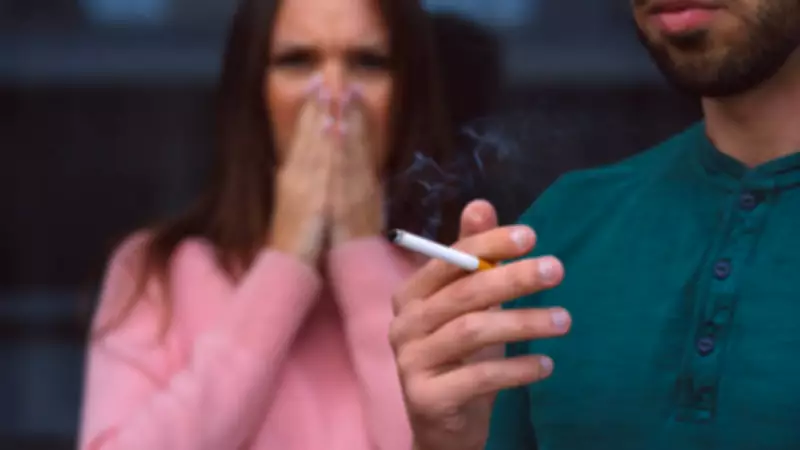
Most people are aware that smoking is harmful to health. However, the dangers of passive smoking, also known as second-hand smoke, are often overlooked. This occurs when non-smokers inhale smoke from burning cigarettes or the air exhaled by smokers. Many assume that occasional exposure is harmless, but health experts have long warned that regular contact with second-hand smoke poses significant risks, whether at home, work, or in public spaces.
The reality is that breathing in someone else's smoke means inhaling many of the same toxic chemicals that smokers themselves ingest. These substances can cause serious harm over time.
How Damage Accumulates Quietly
One reason passive smoking receives less attention is that its effects are not immediately visible. No one collapses after spending an hour in a smoky room. However, the damage accumulates gradually, and by the time symptoms appear, exposure has often persisted for years.

In the short term, regular exposure can irritate the eyes, nose, and throat. Some individuals experience frequent headaches, persistent coughing, or difficulty breathing. For those with asthma or other respiratory conditions, second-hand smoke exacerbates symptoms.
Children are particularly vulnerable. Their lungs are still developing, and exposure to tobacco smoke during critical growth periods can cause long-term harm. Kids regularly exposed to second-hand smoke suffer more chest infections, wheezing, and asthma that becomes harder to manage as they age. Importantly, smoke particles linger on furniture, curtains, carpets, and walls long after smoking stops. A child playing or sleeping in such a room continues to inhale these particles.
Long-Term Health Consequences
Years of exposure to second-hand smoke, even without ever smoking, have been linked to heart disease, stroke, and lung cancer. The chemicals in tobacco smoke enter the bloodstream, damage blood vessel walls, increase inflammation, and impair heart and lung function. These risks are not exclusive to smokers; they affect anyone who has spent sufficient time breathing in second-hand smoke.
For pregnant women, the stakes are even higher. Regular exposure during pregnancy is associated with low birth weight and complications that can affect both mother and baby long after childbirth.
What makes this particularly challenging is that most victims of passive smoking did not choose to be exposed. It happens in their own homes, at family gatherings, in shared vehicles, and in spaces where they have little control over air quality.
Practical Steps to Reduce Exposure
The good news is that reducing exposure does not require drastic changes. Keeping homes and cars smoke-free makes a significant difference, especially for children and elderly family members. Encouraging smokers to quit or step outside can create a healthier environment. Workplaces and public venues with strict no-smoking policies also protect daily users.
Sometimes a calm, honest conversation is more effective than arguments. Many smokers do not realize how much their habit affects the health of those around them.
Clean Air for Everyone
Passive smoking is an invisible risk because those most affected never chose to smoke. Yet, over time, the consequences can be similar. Clean air is not a privilege reserved for those trying to quit; it matters for every person breathing in the same space.