Pahalgam's Medical Crisis: One Year After Bloodshed, Hospital Remains Dangerously Underprepared
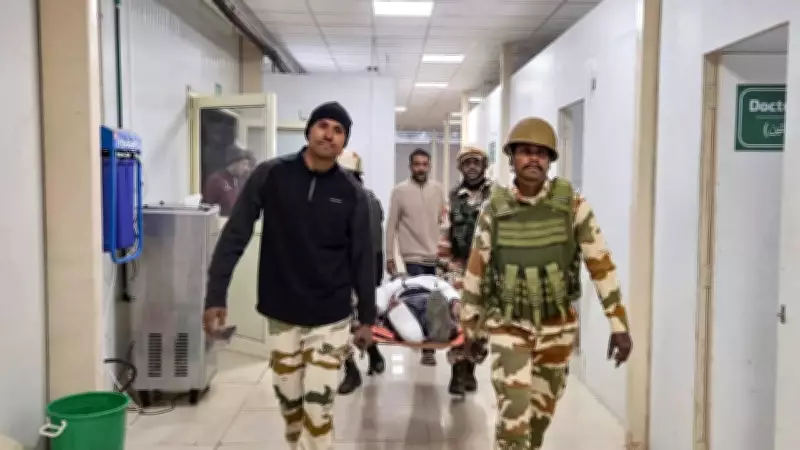
The quiet routine of Pahalgam's modest medical outpost was shattered by a single phone call on April 22 last year. By nightfall, the floors were stained crimson, as exhausted staff processed 26 lifeless bodies and 17 wounded survivors from the terrorist attack in Baisaran valley. This one-storey facility became the fragile barrier between life and death during the crisis.
Today, that barrier remains perilously thin. Little has improved at Pahalgam Civil Hospital in the twelve months since the massacre. Medical care continues to operate within just five cramped rooms, where doctors consult outpatients while paramedics squeeze X-ray and ECG equipment into the same confined space.
A Facility Overwhelmed by Responsibility
Outside, three ambulances—only one more vehicle than before the attack—sit on a patchy lawn that turns to thick mud during rainfall, obstructing access to the entrance. The hospital's limitations starkly contradict its enormous responsibilities. Pahalgam is not merely a quiet village but a global tourist destination and spiritual gateway.

In 2024 alone, Pahalgam hosted 1.19 million tourists and over 500,000 Amarnath pilgrims, many requiring treatment for altitude-related illnesses. Additionally, the hospital serves approximately 200,000 local residents. Despite these massive demands, the facility operates with minimal resources.
Unfinished Building Symbolizes Bureaucratic Failure
The tragedy forced desperate improvisation last year. As reinforcements arrived from across south Kashmir, staff dragged beds into a hollow, unfinished three-storey building adjacent to the main clinic. They used the empty shell of a hall to temporarily store the deceased.
Today, that building remains a concrete skeleton, frozen in time by bureaucratic gridlock while the primary clinic struggles to function. A 2021 plan to upgrade the site to a 50-bed sub-district hospital exists only on paper, with sanctioned staff positions remaining unfilled.
Skeleton Crew and Dangerous Referrals
The hospital operates with a skeleton crew: one surgeon, one anaesthetist, one gynaecologist, and seven paramedics. This severely limited team routinely refers critically ill patients to the Government Medical College in Anantnag, miles away—a dangerous delay in emergencies.
The upgrade delay has become a game of bureaucratic finger-pointing. Health officials blame the Roads and Buildings (R&B) department for the painfully slow construction progress. Meanwhile, R&B officials claim they are being starved of approximately ₹4.3 crore in necessary funds.
"We have added another storey," an R&B official stated. "Construction of a lift and interior work are pending. If the health department releases funds, we can make the building operational within six months."
Tourist Season Looms With Inadequate Preparedness
As another peak tourist season approaches and the Amarnath Yatra pilgrimage looms, Pahalgam's primary defense against potential tragedy remains those same five rooms and unfulfilled promises. The hall that once held 26 bodies stands empty, waiting for paint and electricity that never arrived.
The urgent desperation of that April evening has been replaced by the slow decay of institutional neglect. One year after being overwhelmed by violence, Pahalgam's hospital remains dangerously unprepared for the next crisis, serving as a stark reminder of how bureaucratic delays can compromise public safety in regions facing both natural and human-made threats.