

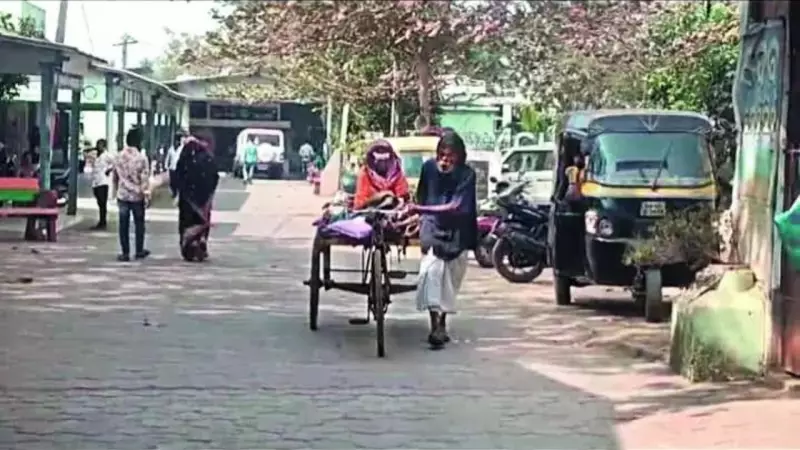
Odisha Elder Pedals 300km on Rickshaw with Ailing Wife, Highlighting Healthcare Struggles
In an extraordinary display of determination and love, a 70-year-old man from Odisha has captured hearts by pedaling a rickshaw van for 300 kilometers from Sambalpur to Cuttack with his ailing wife, after failing to arrange funds for an ambulance. The journey, undertaken in bone-chilling winter conditions, underscores the severe challenges faced by the poor and elderly in accessing basic medical and transport facilities in India.
A Journey of Love and Necessity
Babu Lohar, a rickshaw-puller from Modipada village in Sambalpur, embarked on this arduous nine-day journey to reach the state-run SCB Medical College and Hospital in Cuttack. His wife, Jyoti, suffered a stroke in November last year, and local officials referred her to the specialized facility for treatment. With no money to hire a vehicle, Lohar resorted to his trusted rickshaw van, outfitting it with old cushions to make his wife as comfortable as possible during the trip.
"I have two loves in my life. One is my wife whom I am taking back home, and the other is my rickshaw van. I cannot leave either of them," Lohar stated, refusing offers of help from police and locals along the way. He pedaled approximately 30 kilometers each day, halting near roadside shops at night, all while chanting God's name for strength.

Treatment and the Return Journey
After two months of prolonged treatment at the Cuttack hospital, the couple began their journey back to Sambalpur on January 19. However, fate threw another challenge their way when a vehicle brushed against their rickshaw in Cuttack's Tangi area, causing Jyoti to fall and hit her head. Lohar, unharmed, took her to the local Tangi community health centre for bandaging.
The hospital staff provided food and allowed them to stay overnight to avoid the cold, and they resumed their journey on January 20. Tangi Station House Officer Bikash Sethi, who spotted the couple, offered assistance but was met with a polite refusal. "His determination and emotional attachment are deeply moving. I haven't seen anything like this ever. After repeated requests, he accepted some cash from us for food on the way," Sethi remarked.
Broader Implications for Healthcare Access
This incident sheds light on the harsh realities of healthcare accessibility in rural and semi-urban India, where financial constraints often force individuals to make unimaginable sacrifices. Lohar's story is not just a testament to spousal devotion but also a poignant reminder of the systemic issues in public health infrastructure and transport facilities for the underprivileged.
As the couple continues their journey back home, their resilience serves as an inspiration, highlighting the need for more robust support systems to ensure that no one has to endure such hardships to receive medical care.






