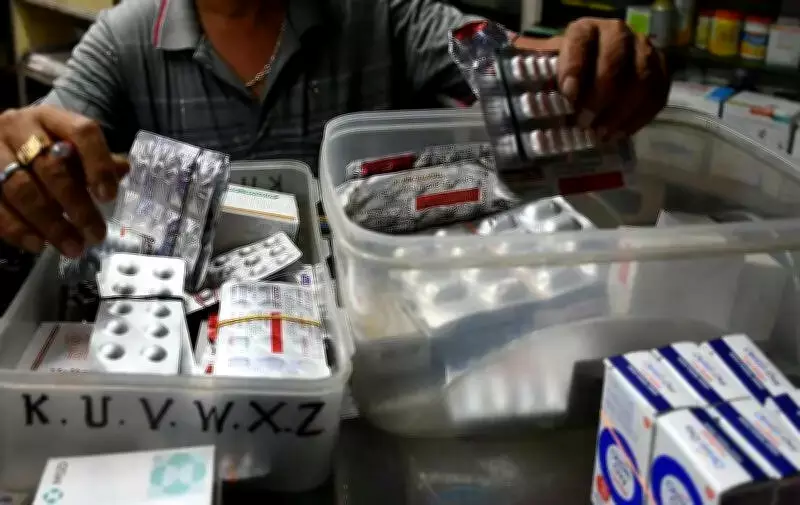
NPPA Implements 0.6% Price Increase for Over 760 Medicines, Retailers Express Concerns
The National Pharmaceutical Pricing Authority (NPPA) has announced a price adjustment for more than 760 medicines, raising their maximum retail prices by 0.6%. This revision, based on wholesale pricing data, is part of the annual price update for scheduled medicines under the National List of Essential Medicines, which encompasses approximately 900 to 1,000 drug formulations. The changes are set to take effect from April 1, 2026.
Impact on Key Medicine Categories
The price hike affects a wide range of essential medications. Common antibiotics such as azithromycin and amoxicillin will see increased costs, along with analgesics like paracetamol and ibuprofen. Additionally, prices for diabetes management medicines, including metformin and insulin, as well as drugs for hypertension and cardiac care, are set to rise. Specialised care medicines used in mental health treatment, seizure management, and various vitamins are also included in this revision. Medical devices, such as coronary stents, have undergone price adjustments as well.
Retailer Apprehensions Over Future Price Escalations
Despite the modest 0.6% increase, which is significantly lower than the 10% and above hikes observed in 2022 and 2023, medicine retailers in Kolkata are expressing deep concerns. The central government has retained a provision allowing for further price increases based on fluctuations in raw material costs for nearly 900 medicines. This has sparked fears among retailers about potential additional hikes that could strain consumers.

Rajiv Singhal, general secretary of the All India Organisation of Chemists and Druggists (AIOCD), commented, "The changes, which are effective from April 1, 2026, are within the acceptable range. However, the increase was minimal last year." In contrast, Prithwi Bose, secretary of the Bengal Chemists and Druggists Association, warned, "The centre has kept a provision to increase prices further. This will enable the medicine manufacturers to shore up prices based on the increase in raw material prices. Unless the prices are capped, it will burn holes in the pockets of the middle class and lower middle class."
Supply Chain Disruptions and Raw Material Price Surges
Recent geopolitical events have exacerbated the situation. Over the past month, conflicts in West Asia have severely disrupted the pharmaceutical supply chain, leading to a twofold increase in the prices of raw materials or active pharmaceutical ingredients. Somnath Ghosh of Metro Pharma highlighted, "There are reports that the price of paracetamol alone has increased to Rs 450 per kg from Rs 250. As a result, drug manufacturers are warning of increase in prices of medicine and hinting at supply shortages if the situation continues. This leaves medicine retailers with a lot of apprehensions about further price escalation."
The combination of the NPPA's price revision and ongoing supply chain challenges has created a volatile environment for the pharmaceutical industry. Retailers are urging for stricter price caps to protect consumers from potential financial burdens, while manufacturers face pressures from rising production costs. This scenario underscores the delicate balance between ensuring drug affordability and maintaining a sustainable supply chain in the face of global uncertainties.