

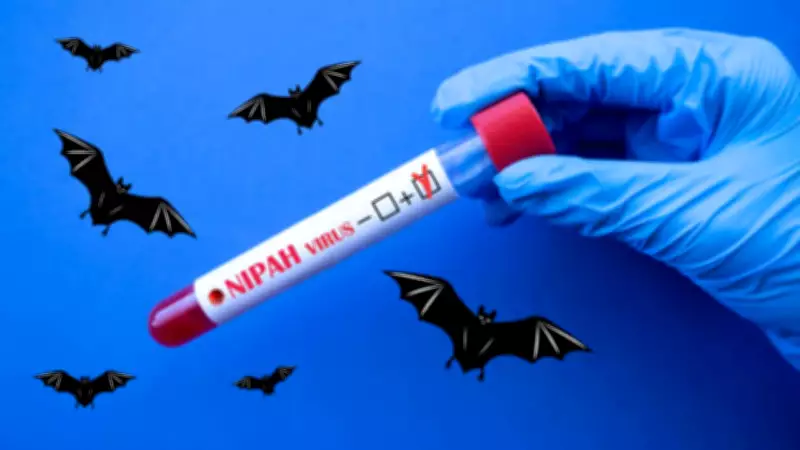
Nipah Survivor Nurse Succumbs to Cardiac Arrest in West Bengal Hospital
A nurse who had previously recovered from a Nipah virus infection passed away due to cardiac arrest at a private hospital in Barasat, West Bengal, on Thursday. According to a state health department official cited by PTI, the death occurred despite her recovery from the viral disease. She had been in a prolonged coma and later developed a lung infection, with ventilator support withdrawn at the end of January.
"She died of cardiac arrest this afternoon. Though she had recovered from Nipah infection, she was suffering from multiple complications," the official stated, highlighting the severe aftermath of the illness.
Nipah Scare Intensifies Across India
India has been on high alert following a recent Nipah virus outbreak in West Bengal, where two healthcare workers tested positive and received hospital treatment. Since December, two confirmed cases of Nipah Virus disease have been reported from the state, with the other case involving a male nurse who has been cured. Authorities have acted swiftly by isolating patients and tracing contacts, preventing widespread transmission so far.

Health teams assert that the situation is under control, but as a precaution, airports in some Asian countries have tightened screening measures. Prof. Dr. S M Fayaz, Lead & Senior Consultant - Internal Medicine at KIMS Hospital Bengaluru, explained to TOI Health, "So, there were multiple outbreaks of Nipah virus. We had an outbreak in Kerala also. The recent outbreak in India is generally West Bengal and some neighbouring countries like Bangladesh have also reported a few cases recently in 2026."
He emphasized the severity of the virus, noting, "The fatality rate is really high in this case. Generally, the high mortality we say is like the 70-80% mortality we generally have." Treatment is primarily supportive, as there are no specific antivirals available, focusing on managing symptoms.
Understanding Nipah Virus Transmission and Symptoms
Dr. Fayaz clarified that human-to-human contamination is rare, but animal-to-human transmission poses a significant risk. He urged the public to take preventive steps: "Animals can pass the infection to humans, so it’s important to avoid fruits that may have been bitten or contaminated by bats. Sometimes pigs can also get infected if they come into contact with the bodily fluids of these animals, and that can further spread the virus. So we need to be a bit careful. Always check fruits properly before eating them, even the ones bought from the market. Wash them well, and avoid anything that looks half-eaten or damaged, because there’s always a small risk of contamination."
The incubation period for the virus typically ranges from 10 to 15 days. Initial symptoms mimic a regular viral illness, including fever, headache, body ache, vomiting, and sore throat. However, the condition can escalate rapidly. "But after a few days, things can get serious. Some patients develop breathlessness. Others may start feeling very drowsy or confused. In severe cases, it can lead to encephalitis, which means brain inflammation. The person may become less responsive, not fully conscious, and may not respond properly when spoken to. The main causes of death are severe breathing problems, like pneumonia, or serious encephalitis," Dr. Fayaz detailed.
This article incorporates expert insights from Prof. Dr. S M Fayaz to elucidate the gravity of Nipah infection and outline crucial preventive measures. The ongoing vigilance in West Bengal and beyond underscores the need for continued public awareness and health preparedness.






