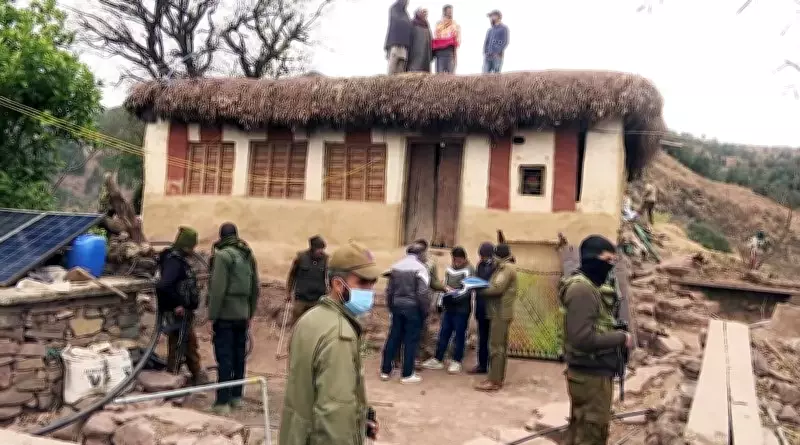
Neurotoxic Exposure Suspected in 17 Rajouri Deaths, Government Confirms
The Jammu and Kashmir government has announced that neurotoxic exposure, rather than an infectious disease, is the primary suspect in the tragic deaths of 17 individuals in the Rajouri district. This revelation comes after initial concerns about a potential outbreak, with authorities now shifting focus to environmental or chemical factors as the likely cause.
Investigation Details and Official Statements
According to government officials, preliminary investigations and medical reports point toward neurotoxic substances as the culprit behind the fatalities. The deaths, which occurred over a recent period, had sparked alarm in the region, leading to widespread speculation about infections or contagious illnesses. However, health experts and forensic teams have ruled out infectious causes after thorough examinations.
The government has emphasized that ongoing investigations are crucial to pinpoint the exact source of the neurotoxic exposure. Teams are actively working in the affected areas to collect samples, analyze environmental conditions, and interview residents to gather more evidence. Officials have assured the public that all necessary measures are being taken to prevent further incidents and ensure community safety.

Impact on the Local Community and Response Efforts
The mysterious deaths have deeply affected the local community in Rajouri, raising concerns about public health and environmental hazards. Residents have reported symptoms such as neurological disorders and respiratory issues prior to the fatalities, which align with exposure to toxic substances. The government has deployed medical teams to provide support and monitor health conditions in the area.
In response to the crisis, authorities have issued advisories urging people to avoid suspicious substances and report any unusual health symptoms immediately. Public awareness campaigns are being conducted to educate the community about potential risks and safety precautions. The government is also coordinating with national health agencies to leverage expertise in toxicology and environmental health.
Broader Implications and Future Steps
This incident highlights the importance of robust surveillance systems for detecting non-infectious health threats in remote regions. The Jammu and Kashmir government has pledged to enhance monitoring mechanisms to quickly identify and respond to similar cases in the future. Experts suggest that factors like pesticide use, industrial pollutants, or natural toxins could be involved, though definitive conclusions await further analysis.
As investigations continue, the government remains committed to transparency and timely updates. The focus is on providing closure to affected families and implementing preventive strategies to safeguard public health. This case serves as a reminder of the complex challenges in managing health emergencies, especially in areas with limited resources.