What is Motor Neurone Disease?
Motor Neurone Disease (MND) is a progressive neurological disorder that specifically targets the motor neurons, which are the nerve cells responsible for controlling voluntary muscle movements. These neurons are crucial for activities such as walking, speaking, swallowing, and breathing. As the disease advances, it leads to the degeneration and eventual death of these motor neurons, resulting in muscle weakness, atrophy, and paralysis. MND is a rare condition, but its impact on patients and their families is profound, often leading to significant disability and a reduced life expectancy.
Symptoms of Motor Neurone Disease
The symptoms of MND can vary widely among individuals, but they generally progress over time. Early signs often include muscle weakness, which may manifest as difficulty with tasks like lifting objects, climbing stairs, or maintaining balance. Other common symptoms include:
- Muscle cramps and twitching (fasciculations)
- Slurred speech (dysarthria) and difficulty swallowing (dysphagia)
- Breathing problems due to weakened respiratory muscles
- Fatigue and unexplained weight loss
- Emotional lability, such as involuntary laughing or crying
As the disease progresses, patients may experience increased paralysis, leading to a loss of mobility and independence. It is important to note that MND does not typically affect sensory functions like touch or vision, nor does it impact cognitive abilities in most cases, although some variants may involve frontotemporal dementia.

Causes and Risk Factors
The exact cause of Motor Neurone Disease remains largely unknown, but research suggests a combination of genetic and environmental factors. Approximately 5-10% of MND cases are familial, meaning they are inherited through genetic mutations, such as those in the C9orf72, SOD1, or TARDBP genes. The majority of cases, however, are sporadic, with no clear family history. Potential risk factors include:
- Age, with most diagnoses occurring between 40 and 70 years old
- Gender, as men are slightly more likely to develop MND than women
- Exposure to certain environmental toxins, though evidence is inconclusive
- Previous traumatic injuries or viral infections, which are still under investigation
Ongoing studies aim to better understand these factors to develop more effective prevention and treatment strategies.
Treatment and Management
Currently, there is no cure for Motor Neurone Disease, but various treatments can help manage symptoms and improve quality of life. The primary goals of treatment are to slow disease progression, alleviate discomfort, and support patients in maintaining functionality. Key approaches include:
- Medications: Drugs like riluzole and edaravone may slow progression in some patients, though their effects are modest.
- Physical Therapy: Exercises and mobility aids can help maintain muscle strength and prevent complications like contractures.
- Speech and Swallowing Therapy: Techniques to assist with communication and nutrition, including the use of feeding tubes if necessary.
- Respiratory Support: Non-invasive ventilation or tracheostomy to aid breathing as respiratory muscles weaken.
- Palliative Care: Comprehensive support to address pain, emotional distress, and end-of-life planning.
Research into new therapies, such as gene therapy and stem cell treatments, offers hope for future advancements. Early diagnosis and a multidisciplinary care team are crucial for optimizing patient outcomes.
Case Study: Michael Patrick and Awareness
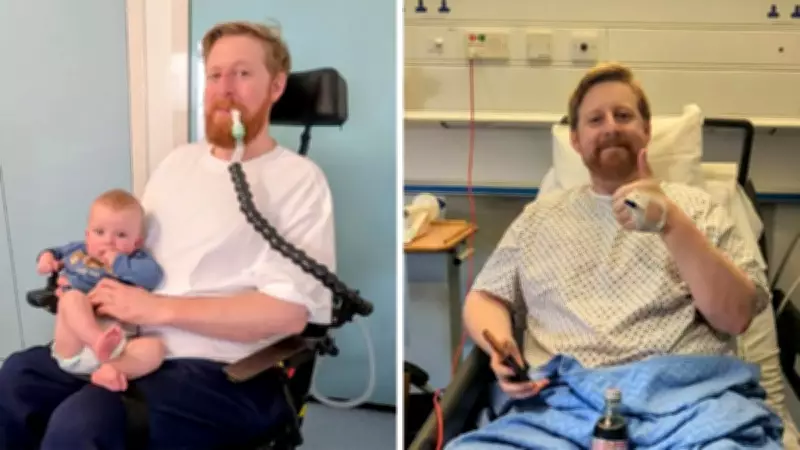
The recent passing of actor Michael Patrick, known for his role in Game of Thrones, has brought renewed attention to Motor Neurone Disease. His battle with MND highlights the devastating effects of this condition, even on individuals in the public eye. Such cases underscore the importance of raising awareness about MND, promoting early detection, and advocating for increased research funding. Public figures sharing their experiences can help reduce stigma and encourage support for patients and caregivers worldwide.

In summary, Motor Neurone Disease is a challenging neurological disorder with no cure, but understanding its symptoms, causes, and treatment options can empower patients and their families. Continued research and global awareness efforts are essential to improving lives and finding a cure.