

Wake County Measles Outbreak: Authorities Identify Exposure Risk at Five Raleigh Locations
In Wake County, North Carolina, a significant measles outbreak has been confirmed by health authorities, with 18 cases reported across the state since December 2025. The situation escalated after an infected individual visited multiple public locations in Raleigh, potentially exposing numerous people to the highly contagious virus.
Exposure Sites and Timeline in Raleigh
According to a public health announcement from Wake County, the measles-infected person visited five specific locations in Raleigh's Brier Creek area on February 5. Health officials have warned that anyone present at these sites during the specified times may have been exposed and should monitor for symptoms while considering vaccination.
- O2 Fitness, 7801 Alexander Promenade Place, Raleigh: Exposure occurred from 1:30 p.m. to 5:15 p.m.
- Everbowl, 7840 Alexander Promenade Place, Suite 125, Raleigh: Exposure window was 3:30 p.m. to 5:45 p.m.
- Harris Teeter, 13210 Strickland Road, Raleigh: Potential exposure from 5:00 p.m. to 7:10 p.m.
- Harris Teeter, 8345 Creedmoor Road, Raleigh: Exposure risk between 5:15 p.m. and 7:35 p.m.
- Walgreens, 13301 Strickland Road, Raleigh: Exposure occurred on February 6 from 3:30 p.m. to 5:40 p.m.
Wake County Public Health Director Rebecca Kaufman emphasized, "Measles spreads easily, but it is also preventable. The MMR vaccine has been used for decades and is both safe and highly effective. If you or your child is not up to date on vaccinations, now is the time to get protected."

Statewide Measles Cases and Vaccination Status
The North Carolina Department of Public Health and Human Services dashboard reveals concerning statistics about the current outbreak. Of the 18 measles cases reported since December 2025, all but two involved individuals younger than 18 years old. Alarmingly, state data indicates that 72% of these cases occurred in people who had not been vaccinated against measles.
In one particularly serious instance, a child required hospitalization in Nash County due to measles complications. The outbreak has not been confined to Wake County alone—neighboring areas have also reported exposure risks. Durham County documented measles exposure at three locations on February 6, while Johnston County reported an individual arriving at an emergency room with measles on February 7.
Understanding Measles: Transmission, Symptoms, and Risks
Measles is a highly contagious respiratory disease that spreads through airborne transmission when infected individuals cough or sneeze. The virus can also be transmitted through contact with nasal or oral secretions. Remarkably, the measles virus can survive in the air for up to two hours in spaces where an infected person has been present.
Symptoms typically appear 7-14 days after exposure but can manifest up to 21 days later. Key symptoms include:
- High fever that may spike above 104°F
- Persistent cough and runny nose
- Red, watery eyes (conjunctivitis)
- Tiny white spots inside the mouth (Koplik spots) appearing 2-3 days after initial symptoms
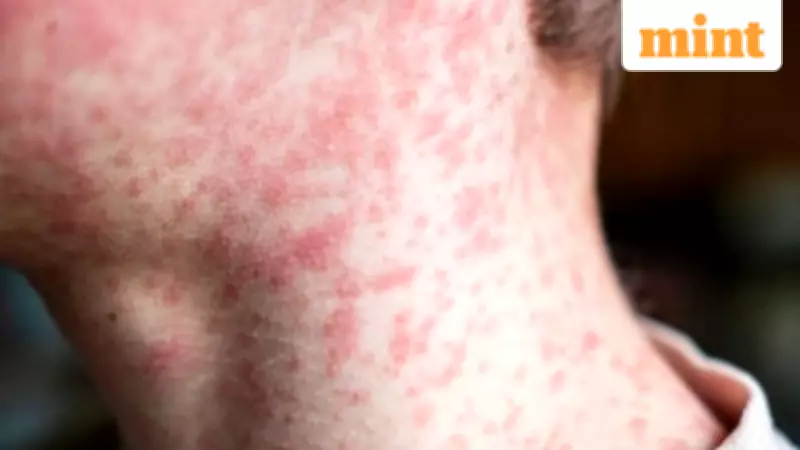
- A distinctive red, raised, blotchy rash that usually begins on the face and spreads to the trunk, arms, and legs 3-5 days after symptoms start
Wake County health officials advise that individuals who develop symptoms should contact healthcare providers before visiting medical facilities to prevent further exposures.
Measles Complications and Global Impact
Measles can lead to severe and potentially fatal complications, particularly in young children. These include pneumonia and encephalitis (brain inflammation). According to Wake County data, measles caused approximately 95,000 deaths globally in 2024, with unvaccinated children under five years old representing the majority of fatalities.

Despite these sobering statistics, vaccination efforts have made significant progress. Since 2000, measles deaths have decreased by 88% worldwide due to widespread vaccination programs. "Vaccination remains the best way to prevent serious illness, hospitalization, and death from measles," emphasized Director Kaufman. "Vaccination not only protects you but also infants, older adults, and neighbors who may be more vulnerable to serious complications."
Health authorities continue to monitor the situation closely and urge residents to verify their vaccination status, particularly for the MMR (measles, mumps, rubella) vaccine, which provides robust protection against measles infection and transmission.





