

For four years, a 54-year-old Malvani resident was confined to his bed, unable to move due to a collapsed hip joint. Doctors suspect that avascular necrosis (AVN), a condition characterized by bone tissue death from insufficient blood supply, was triggered by haphazard steroid use during the peak of the COVID-19 pandemic. The patient, Mohammed Salim Tamboli, could not seek timely treatment due to pandemic restrictions and subsequent financial difficulties.
The Road to Recovery
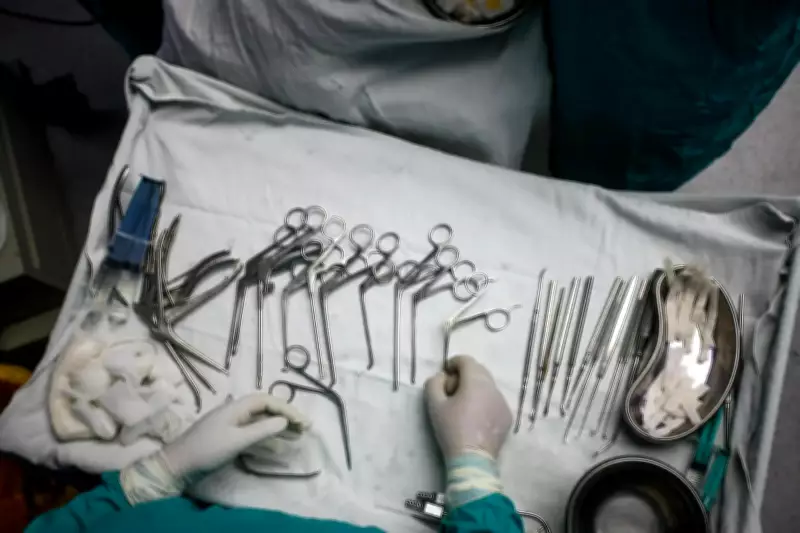
Tamboli underwent a total hip replacement at JJ Hospital in late 2024. After a year of rigorous physiotherapy, he was able to discard his walker by late 2025. Last week, he walked into the hospital’s orthopaedic department on his own two feet, simply to inform the doctors that he could walk again.
Financial Hardship and Family Support
By 2019, Tamboli had already spent a significant amount on his wife’s cancer treatment. She passed away that year. “We tried one or two government hospitals, but my children were not confident enough to proceed with the surgery,” he recalled. During his immobilization, his eldest child managed the household finances.

Link Between Steroids and AVN
Dr. Nadir Shah, who performed the surgery at JJ Hospital, noted that while it is difficult to pinpoint the exact cause of Tamboli’s AVN, there is a well-established correlation between excessive steroid use and the disease. “There is nothing wrong with steroid use. The problem arises with long-term or excessive use. During COVID-19, some patients required heavy steroid doses to save their lives. It is possible that Tamboli was one such patient, as his symptoms began around that time,” Dr. Shah explained.
Tamboli could not confirm whether he had received steroid medication for COVID-19. However, Dr. Shah added that the incidence of AVN increased after the pandemic. A systematic review by NHS doctors in the United Kingdom, involving nearly 800 patients—mostly men in their mid-40s—found a strong association between high-dose corticosteroid treatment for COVID-19 and subsequent hip bone death. On average, patients received about 1,463 mg of steroids, with joint pain appearing anywhere from two weeks to over a year after infection.






