Maharashtra Confronts Nutrition and Early Childhood Development Gaps
MUMBAI: Maharashtra continues to demonstrate robust performance across key economic indicators, yet significant challenges persist in the realms of women's nutrition and early childhood development. This critical issue was brought to the forefront during a high-level state meeting convened in the city, where Chief Secretary Rajesh Aggarwal emphasized the urgent need for targeted interventions.
State-Level Meeting Highlights Roadmap for Improvement
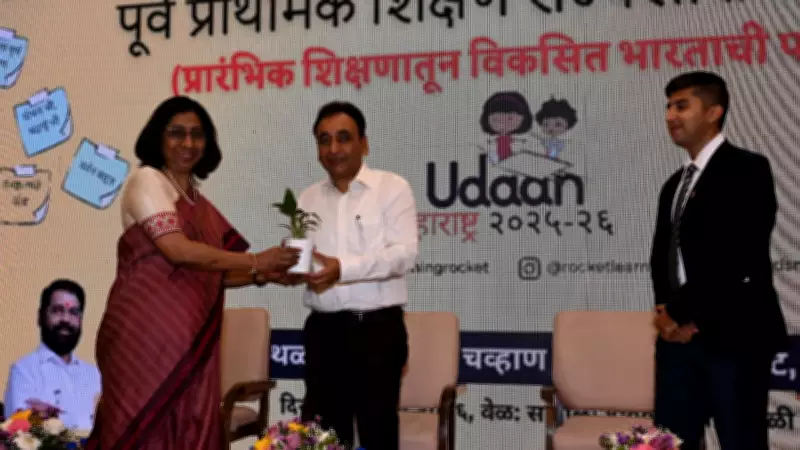
The conference, held at the Yashwantrao Chavan Centre, assembled a diverse group of stakeholders including senior government officials, development sector leaders, and grassroots practitioners dedicated to the early childhood ecosystem. Policymakers and sector experts collaboratively outlined a comprehensive roadmap aimed at strengthening Early Childhood Care and Education (ECCE) systems throughout the state.
Chief Secretary Rajesh Aggarwal articulated the state's position clearly: "While Maharashtra leads on many economic indicators, we must confront the reality of persistent gaps in women's nutrition and early childhood development. Strengthening early identification and intervention, through better-trained frontline workers, streamlined systems and effective use of technology, is critical to improving outcomes. If we act in the first 1,000 days, we can significantly reduce developmental gaps and ensure every child has a fair start."

Key Announcements and Strategic Discussions
Minister for Women and Child Development Aditi Tatkare, delivering the keynote address, stressed the imperative to further bolster ECCE systems. Madhavi Sardeshmukh, who heads the state's Integrated Child Development Services (ICDS), highlighted the crucial role of such platforms in aligning stakeholders and accelerating impact at scale.
Discussions during the event centered on several pivotal themes:
- Early Intervention and Convergence: A dedicated session on the "Golden 1,000 Days" underscored the necessity for integrated action during a child's most formative years.
- Policy Implementation: Other sessions focused on translating policy into practice through state-level models and leveraging technology, including artificial intelligence, to strengthen anganwadi systems and enhance service delivery.
- Inclusive Systems: A key announcement was the official launch of the Maharashtra Divyang Protocol, designed to build more inclusive early childhood systems that cater to all children.
Collaborative Efforts and Future Directions
The event, jointly organized by the Department of Women & Child Development and Rocket Learning, concluded with a forward-looking discussion on aligning corporate social responsibility initiatives with government priorities. Participants unanimously underscored the need for sustained public-private collaboration to drive meaningful change.
Attendance at the meeting was comprehensive, including district programme officers, child development project officers, supervisors, and anganwadi workers from across Maharashtra, reflecting a statewide commitment to addressing these developmental challenges.