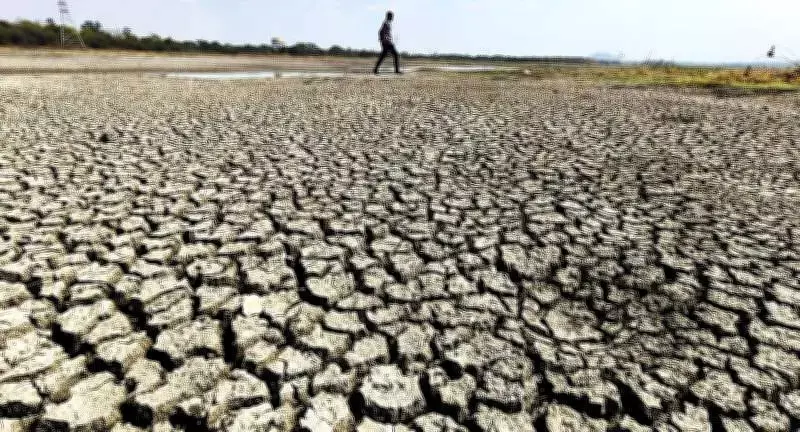
Fourth Suspected Heatstroke Fatality in Maharashtra as Farmer Succumbs to Extreme Heat
A 60-year-old farmer from Nilanga taluka in Latur district collapsed and died on Monday, with officials suspecting heatstroke as the cause. This tragic incident brings the total number of such fatalities across Maharashtra to four, highlighting the severe impact of the ongoing heatwave on vulnerable populations.
Health Department Investigates Death and Records 39 Suspected Cases
The state health department has launched a detailed investigation into the farmer's death. Latur district disaster management officer Saqueb Osmani stated, "Based on inputs from the attending doctor and the farmer's family, the cause of death could be dehydration-induced cardiac failure linked to prolonged heat exposure."
Between March 1 and April 20, health officials have recorded 39 suspected heatstroke cases across the state. Akola district reported the highest number with 11 cases, followed by Nandurbar with 6 and Ratnagiri with 5. Other districts including Gadchiroli, Jalna, Raigad, Satara, Palghar, Gondia, Jalgaon, Nashik, Parbhani, Pune, Solapur, and Thane have also reported cases, underscoring the widespread nature of the health crisis.

Other Recent Fatalities and Cardiovascular Risks Amid Heatwave
In addition to the Latur case, health officials detailed other recent deaths potentially linked to extreme temperatures. A 45-year-old woman farmer from Parner taluka in Ahilyanagar died of intracranial haemorrhage on April 17. Another 45-year-old farmer from Shrigonda taluka, with a known history of heart disease, succumbed to myocardial infarction on April 18.
In Solapur district's Mohol taluka, a 67-year-old farmer collapsed while working in the fields around 2pm on April 16. He reportedly complained of giddiness and excessive sweating before suffering a cardiac arrest while being rushed to hospital.
The state also reported 108 cardiovascular-related deaths during the same period. Health officials emphasized that extreme heat significantly increases the risk of heart-related fatalities, as high temperatures place severe strain on the cardiovascular system. "In extreme heat, the heart is forced to pump harder and faster to regulate body temperature, which can trigger serious cardiac events," an official explained.
Official Investigations and Public Health Advisories
District health officer Dr Balaji Shinde said taluka-level health authorities have been instructed to determine whether these deaths qualify as heatstroke fatalities under the National Programme on Climate Change and Human Health. "A detailed investigation will include clinical history, environmental conditions prior to the illness, medical observations, physical activity before collapse, and prevailing weather data," he stated.
State epidemiologist Dr Raju Sule of the Integrated Disease Surveillance Programme clarified that none of the deaths have yet been confirmed as heatstroke-related. "All post-mortem reports will be reviewed by an expert panel, after which it will be determined whether extreme temperatures were the primary cause," he said.
With several districts across Maharashtra recording temperatures above 40°C early in the summer, health authorities have flagged heatstroke as a major public health concern. The health department has directed all district medical officers to ensure the availability of cold rooms at primary health centres. Hospitals and health institutions have also been told to maintain adequate stocks of medicines, intravenous fluids, and oral rehydration salts.
Preventive Measures and Safety Recommendations
District health officers have been asked to conduct training sessions for medical officers on diagnosing and reporting heatstroke cases on the state health portal. District administrations have also been urged to avoid organising public meetings during afternoon hours amid extreme heat conditions.
Latur district disaster management officer Osmani added crucial advice for vulnerable groups: "People should avoid strenuous physical labour during peak afternoon hours. Farmers who cannot stop work should at least cover their head and ears with white cotton cloth to reduce heat exposure."

These measures come as Maharashtra faces an early and intense summer, with health systems preparing for potential increases in heat-related illnesses. The combination of official investigations, public health advisories, and preventive infrastructure aims to mitigate the impact of extreme temperatures on the population.