Knee Arthritis Affects Half of Elderly Indians, Posing Public Health Challenge
With nearly one in two elderly individuals in India grappling with knee osteoarthritis, mobility-related disabilities are emerging as a significant public health concern. This condition severely impacts quality of life and is often accompanied by other health issues, complicating treatment approaches.
Severe Case Highlights Treatment Complexities
A 65-year-old patient faced extreme challenges due to Grade 4 osteoarthritis in both knees, which made standing excruciating and walking nearly impossible. The situation was further complicated by a diagnosis of Coronary Artery Disease, with approximately 60% blockage in one artery, raising surgical risks and causing treatment delays.
Prevalence and Contributing Factors
Clinical data indicates that knee osteoarthritis affects between 22% to 39% of the Indian population, with prevalence sharply increasing after age 60. Urban lifestyles, obesity, and sedentary habits are primary contributors, while rural populations also experience high incidence rates due to occupational strain and limited access to early medical care.

Multidisciplinary Approach Enables Successful Surgery
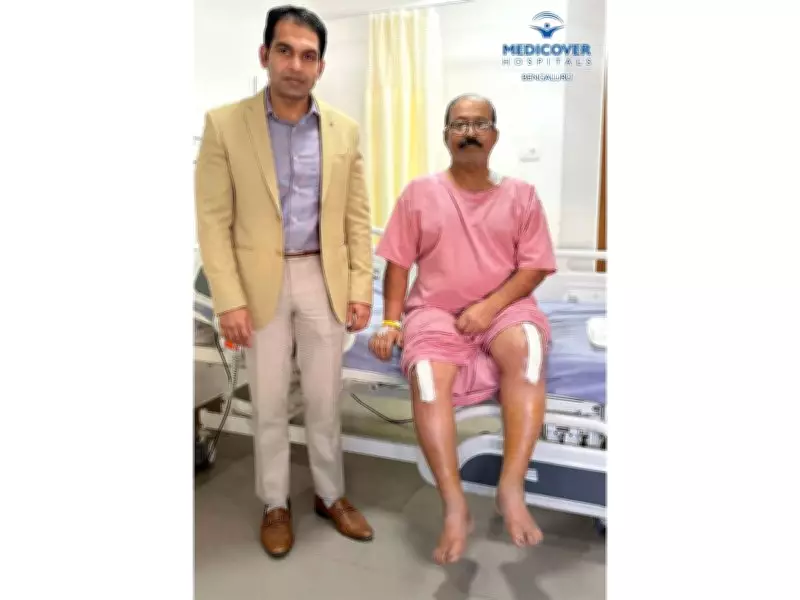
Seeking relief from chronic pain, the patient consulted Medicover Hospital in Whitefield, Bengaluru. A team of specialists from orthopedics, cardiology, and anesthesiology conducted thorough evaluations and risk assessments. After careful optimization, the patient was approved for surgery.
A bilateral total knee replacement was performed successfully under close cardiac monitoring. Dr. Krishna Kumar, an Orthopedic Specialist, emphasized, "In high-risk patients with underlying cardiac conditions, meticulous planning and a coordinated multidisciplinary approach are essential. Advances in surgical techniques and perioperative care now allow safe execution of such complex procedures."
Recovery and Broader Implications
The patient was extubated immediately post-surgery and remained stable throughout recovery, with no complications reported. Supported by structured physiotherapy, mobility was regained within days, enabling assisted walking before discharge.
Experts stress that timely intervention is crucial to prevent joint deterioration and enhance health outcomes. Delays often lead to reduced mobility, increased dependency, and diminished quality of life.
The surgical team included:
- Dr. Krishna Kumar, Joint Replacement Specialist
- Dr. Naga Srinivas, Senior Cardiologist
- Anaesthesiologists Dr. Monika Gupta and Dr. Poornima
- A dedicated physiotherapy team
This case underscores how advancements in multidisciplinary care are facilitating safe and effective outcomes for high-risk patients, restoring not only mobility but also independence and dignity.