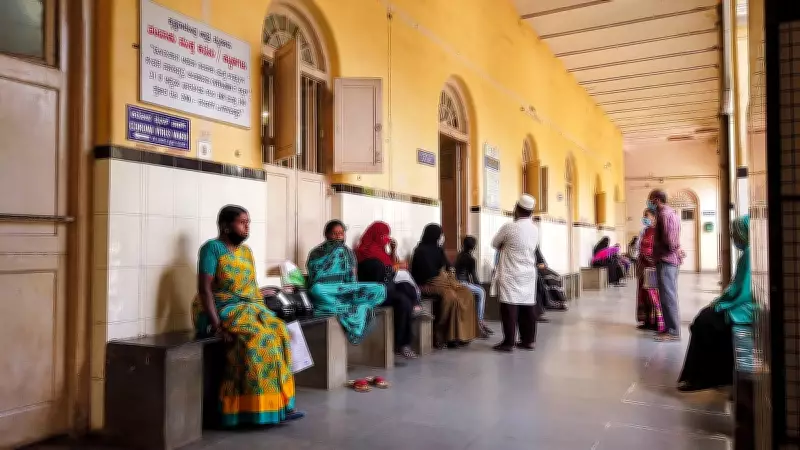
The Karnataka government has established a Health Emergency Operations Centre (HEOC) to assist in managing pandemic-like situations and other health emergencies across the state. The centre aims to proactively handle disasters and outbreaks, enabling real-time surveillance, data-driven decision-making, and rapid response to mitigate the impact on public health.
Key Objectives of the HEOC
The HEOC is designed to serve as a central hub for coordinating health emergency responses. Its primary objectives include:
- Real-time surveillance: Continuous monitoring of disease patterns and outbreak signals to detect potential threats early.
- Data-driven decision-making: Utilizing analytics and epidemiological data to guide response strategies and resource allocation.
- Rapid response coordination: Streamlining communication between health departments, hospitals, and emergency services to ensure swift action.
- Proactive disaster management: Preparing for natural disasters, chemical spills, or biological incidents that could affect public health.
Integration with Existing Systems
The HEOC will work in close coordination with district health authorities, the Karnataka State Disaster Management Authority, and national health agencies. It leverages advanced technology platforms for data aggregation and visualization, enabling officials to track the spread of diseases in real time and deploy resources efficiently.

Significance for Karnataka
Karnataka, being a hub for travel and commerce, faces heightened risks of disease importation and local transmission. The HEOC is expected to strengthen the state's preparedness for future health emergencies, building on lessons learned from the COVID-19 pandemic. By centralizing emergency response, the centre aims to reduce response times and improve outcomes during crises.
The announcement was made on May 8, 2026, and the centre is expected to become operational in the coming months. Health officials have emphasized that the HEOC will not only respond to pandemics but also address routine health emergencies, such as heat waves, floods, and foodborne illness outbreaks.