

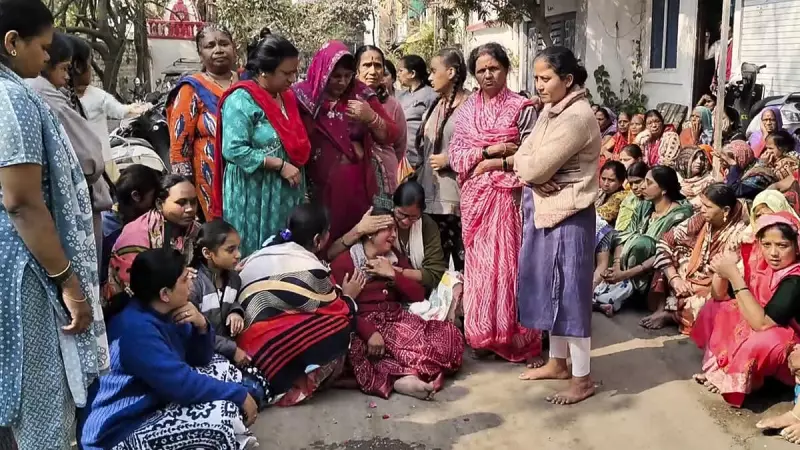
Indore Water Contamination Crisis Claims Life of Rickshaw Driver
The city of Indore is grappling with a severe water contamination crisis that has tragically claimed the life of a rickshaw driver, who was the sole breadwinner for his family. This incident highlights the growing public health emergency in Madhya Pradesh's commercial capital, where residents are facing dangerous water quality issues.
Discrepancy in Reported Fatalities
While local residents and community members have claimed that the contamination outbreak has resulted in approximately 25 deaths so far, official records present a different picture. A detailed status report submitted by the Madhya Pradesh government to the Indore bench of the High Court on January 15, 2026, documented seven confirmed fatalities linked to the water crisis.
Among these seven officially recorded deaths was a five-month-old infant boy, underscoring the vulnerability of young children to waterborne diseases. The report has sparked concerns about potential underreporting and the actual scale of the health impact on Indore's population.

The Human Cost of Contamination
The death of the rickshaw driver represents more than just a statistic—it reveals the profound human cost of infrastructure failures. As the primary earner for his household, his passing leaves his family in precarious financial circumstances, adding economic distress to their personal tragedy.
This situation raises critical questions about water safety protocols and emergency response mechanisms in urban centers across India. Residents of affected areas have reported symptoms consistent with waterborne illnesses, though comprehensive testing and documentation remain ongoing.
Government Response and Legal Proceedings
The submission of the status report to the High Court indicates that judicial authorities are actively monitoring the situation. The discrepancy between resident claims and official figures suggests the need for:
- Transparent data collection and reporting systems
- Immediate water quality testing across affected neighborhoods
- Emergency medical support for vulnerable populations
- Long-term infrastructure improvements to prevent future contamination
As investigations continue, public health experts emphasize the importance of addressing both the immediate crisis and implementing sustainable solutions to ensure safe drinking water for all residents of Indore.






