India's Water Crisis Deepens: Per Capita Availability Drops 70% Since 1961
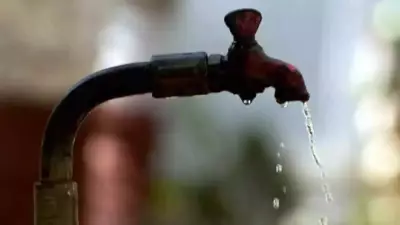
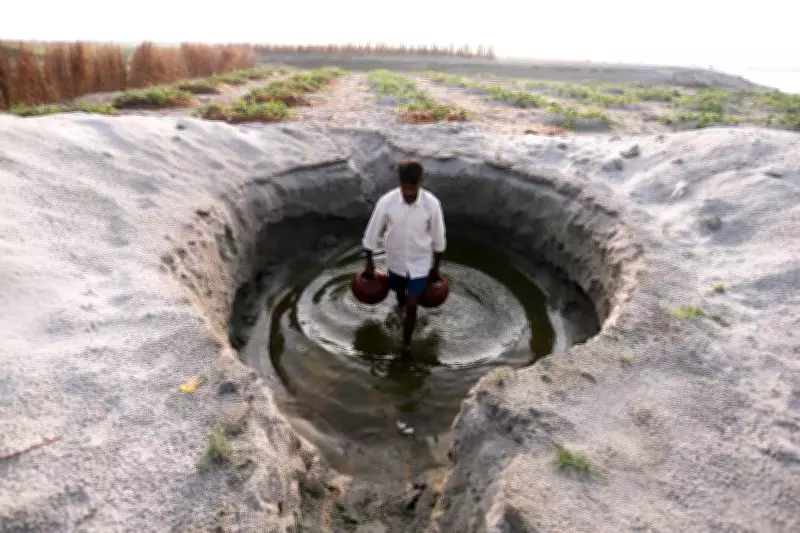
In a stark revelation on World Water Day, official data indicates that India's average annual per capita water availability has plummeted by nearly 70% since 1961, dropping to 1,486 cubic metres in 2021. This alarming decline underscores a growing national water crisis, with resources shrinking amidst a rising population.
Government Bets on Recycling and Recharge to Tackle Future Stress
The Indian government is proactively planning long-term solutions to address the projected water stress expected by 2047. Key strategies include improving water-use efficiency in agriculture, recycling and reusing sewage, enhancing groundwater recharge, and promoting rainwater harvesting. Official sources emphasize that these measures are crucial as national water demand is anticipated to outstrip availability in the coming decades.
Water Stress and Scarcity Thresholds

According to established definitions, water availability below 1,700 cubic metres per capita signifies water stress, while levels under 1,000 cubic metres indicate water scarcity. In the 1960s, India enjoyed a per capita water availability of approximately 5,000 cubic metres, but this has steadily declined due to resource depletion and demographic growth. Projections suggest a further drop to around 1,300 cubic metres by 2047, heightening concerns over sustainable water management.
Current and Future Water Demand Challenges
Data from the Ministry of Jal Shakti reveals that the current harvestable water component stands at about 1,180 billion cubic metres, against a requirement of 880 bcm. However, by 2047, national demand is expected to exceed this harvestable component, necessitating urgent preparatory actions. An official highlighted that state governments will play a pivotal role in strengthening water management frameworks, with water sharing emerging as a critical challenge, as some states may face scarcity while others remain abundant.
Long-term solutions lie as much in policy measures as in inculcating a culture of water sensitivity among citizens, official sources stated, underscoring the need for collective responsibility. The government's focus on recycling, recharge, and efficiency aims to mitigate the impending water stress, ensuring a more resilient future for India's water resources.