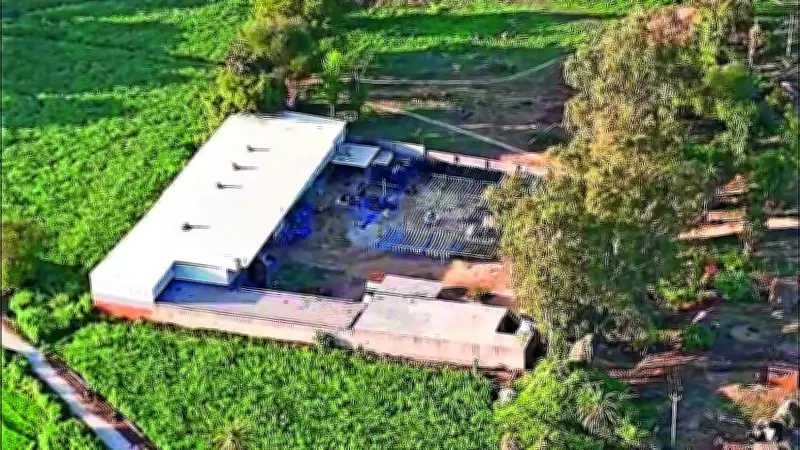
In Gurgaon, blue-colored effluents flow through drains in Bajghera and Sarai Alawardi colonies at various times of the day, eventually emptying into the Najafgarh drain and the Yamuna. These discharges originate from illegal jeans dyeing and washing units operating in densely populated residential areas without mandatory clearances or effluent treatment systems, as revealed by inspections conducted by Haryana pollution control authorities following a citizen complaint.
HSPCB Takes Action
On May 18, the Haryana State Pollution Control Board (HSPCB) issued show-cause notices to the identified units, stating they were operating in violation of the Water (Prevention and Control of Pollution) Act, 1974, and the Air (Prevention and Control of Pollution) Act, 1981. The notices warned that prosecution proceedings and environmental compensation could be initiated if violations were not rectified within 15 days. Under the cited provisions, violators face imprisonment ranging from one-and-a-half to six years, along with fines.
Inspections Triggered by RTI Complaint
The inspections followed an RTI complaint filed on April 12 by Delhi-based activist Varun Gulati, who alleged illegal dyeing operations in Gurgaon's northern region. The HSPCB's response, accessed by TOI, confirmed the inspections. Gulati stated, "These units are operating from residential areas and releasing untreated colored effluents into drains connected to the Najafgarh drainage system. This is not just a violation of pollution laws but also a serious public health and groundwater issue."

HSPCB Official Statement
An HSPCB official confirmed that action had been initiated against the units identified during inspections. "Further action will be taken as per provisions of the Water Act and Air Act after completion of the due process," the official said. The RTI response noted that proceedings related to environmental compensation and power disconnection were currently at the show-cause notice stage.
Details of Violations Found
According to HSPCB records, the units are mostly located in residential pockets near Palam Vihar and along the Sector 110-113 belt close to the Delhi border. They were found extracting groundwater through borewells, generating trade effluent, and operating industrial washing machinery without obtaining consent to establish (CTE), consent to operate (CTO), or installing effluent treatment plants (ETPs).
Specific Units Inspected
- Alija Dyeing near Zara Rosa Apartments in Sector 112, Bajghera, was engaged in washing and dyeing of jeans, classified as a Red industry by the pollution board. An inspection on April 27 revealed the unit operated without mandatory consents and without an ETP. The report noted borewell water usage, trade effluent generation, and operation of a diesel generator set. Officials recorded that an ETP was required but not installed. The site showed industrial washing machines, denim fabric heaps, chemical drums, and generators in congested residential surroundings.
- MAS Dying Process in Palam Vihar Phase-2, Bajghera, was found operating without mandatory permissions. A May 8 inspection recorded trade effluent generation of around 8 kiloliters per day (KLD) using two borewells, with no ETP installed. Inspection teams found washing machines, hydro extractors, compressors, and DG sets. Denim cloth was spread across rooftops and open courtyards in residential clusters.
- Adhya Enterprises in Bhim Colony, Sarai Alawardi, operated jeans washing machinery generating around 7 KLD of trade effluent without an ETP. The report showed wastewater pits, industrial washing machines, and piles of denim material inside residential buildings.
Ongoing Legal Process
The HSPCB's RTI response included spot inspection reports, geo-tagged photographs, and show-cause notices. The board is proceeding with environmental compensation and power disconnection actions under the show-cause notice stage. The units face potential prosecution if violations persist.