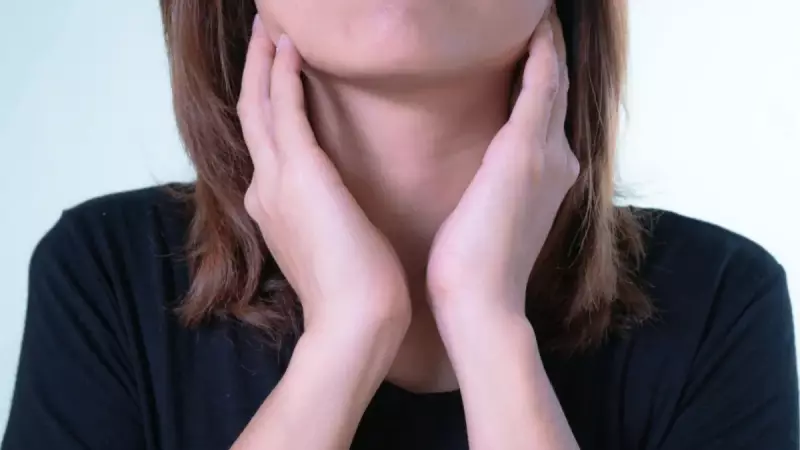
Hypothyroidism, a condition where the thyroid gland fails to produce sufficient hormones, remains a significant public health concern in India, with iodine deficiency being a primary culprit. This hormonal imbalance can disrupt critical bodily functions, leading to a cascade of health issues if left unaddressed. Understanding the signs, root causes, and preventive measures is the first step toward managing this common disorder.
Recognizing the Warning Signs of an Underactive Thyroid
The symptoms of hypothyroidism often develop slowly and can be mistaken for general fatigue or stress. However, recognizing these signs is crucial for early intervention. One of the most common indicators is unexplained and persistent fatigue, where individuals feel exhausted despite adequate rest. This is closely followed by unintended weight gain and difficulty losing weight, which occurs due to a slowed metabolism.
Patients frequently report feeling excessively cold, a condition known as cold intolerance, even in normal temperatures. The skin may become dry, pale, and puffy, while hair can turn brittle and thin, sometimes leading to significant hair loss. A hoarse voice and muscle weakness are also telltale signs. Furthermore, many experience memory lapses, difficulty concentrating, and feelings of depression, highlighting the thyroid's impact on mental well-being. For women, irregular or heavy menstrual cycles can be a red flag.

The Critical Role of Iodine and Other Causes
Iodine deficiency stands as the leading preventable cause of hypothyroidism globally. The thyroid gland requires iodine to synthesize its hormones, thyroxine (T4) and triiodothyronine (T3). Without adequate dietary iodine, this production plummets. While salt iodization programs have made strides, many regions, especially remote areas, still face deficiency challenges.
Beyond iodine lack, several other factors can trigger an underactive thyroid. Autoimmune diseases, particularly Hashimoto's thyroiditis, are a major cause, where the body's immune system mistakenly attacks the thyroid tissue. Previous thyroid surgeries or radiation treatments for cancers can also impair gland function. Certain medications, like lithium, are known to interfere with thyroid hormone production. In rare cases, the problem originates from the pituitary gland in the brain, which fails to send the proper signals to the thyroid.
Effective Strategies for Prevention and Management
Preventing hypothyroidism, especially cases stemming from nutritional gaps, is highly achievable. The cornerstone of prevention is ensuring sufficient iodine intake. The most reliable method is consuming adequately iodized salt. Incorporating iodine-rich foods like seafood, dairy products, eggs, and certain grains into the diet is also beneficial.
Regular health check-ups that include a Thyroid-Stimulating Hormone (TSH) blood test can help detect the condition early, even before severe symptoms manifest. For those already diagnosed, adherence to prescribed thyroid hormone replacement medication (like levothyroxine) is non-negotiable for effective management. It's equally important to maintain a balanced diet, engage in regular physical activity to boost metabolism, and manage stress levels, as chronic stress can exacerbate thyroid imbalances.
Public awareness about the importance of iodine and recognizing early symptoms is vital. By combining proactive dietary habits with timely medical consultation, the burden of hypothyroidism can be significantly reduced, leading to improved overall health and quality of life for millions.