Alarming Uranium Levels Detected in Bathinda's Groundwater Supply
A recent environmental study has uncovered dangerously high concentrations of uranium in the groundwater of Bathinda, Punjab, raising significant health and safety concerns for local residents. The findings indicate that the uranium levels far exceed permissible limits set by health authorities, potentially leading to severe long-term health implications.
Study Reveals Critical Contamination
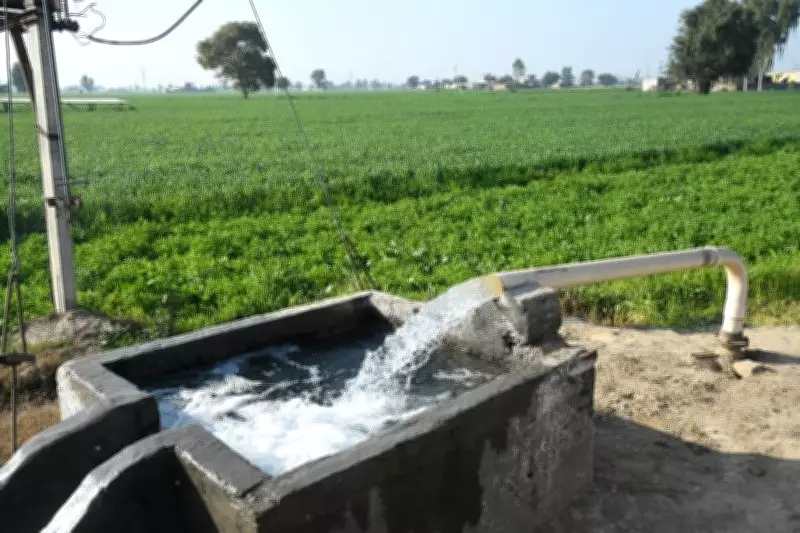
The comprehensive analysis, conducted by a team of environmental scientists, sampled multiple groundwater sources across Bathinda. Results showed uranium concentrations reaching alarming levels, with some samples registering several times higher than the safe threshold established by the World Health Organization (WHO). This contamination is attributed to a combination of natural geological factors and possible anthropogenic activities, including industrial discharge and agricultural runoff.
Health Risks and Public Concern
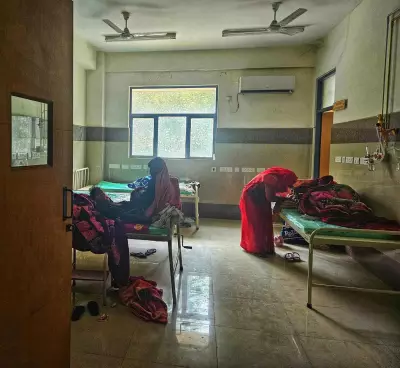
Exposure to elevated uranium levels in drinking water is linked to a range of serious health issues. Long-term consumption can lead to kidney damage, increased cancer risk, and other chronic illnesses. Residents of Bathinda have expressed growing anxiety over the safety of their water supply, with many reporting health complaints that may be associated with uranium exposure. Local health officials are urging immediate action to address the contamination and protect public health.

Environmental and Regulatory Implications
The discovery has sparked calls for stricter environmental regulations and enhanced monitoring of groundwater quality in Punjab. Experts emphasize the need for comprehensive water testing and the implementation of effective filtration systems to mitigate the risks. Additionally, there is a push for further research to identify the precise sources of uranium contamination and develop sustainable solutions to safeguard water resources.
Community Response and Future Steps
In response to the findings, community leaders and environmental activists are mobilizing to demand accountability and prompt intervention from government authorities. Proposed measures include:
- Immediate provision of alternative safe drinking water sources for affected areas.
- Regular monitoring and public reporting of groundwater quality data.
- Implementation of advanced water treatment technologies to remove uranium.
- Educational campaigns to raise awareness about the health risks associated with contaminated water.
The situation in Bathinda underscores the urgent need for proactive environmental management and robust public health policies to address groundwater contamination challenges across the region.