Food Poisoning Outbreak Strikes Gujarat Village After Religious Event
In a concerning incident highlighting summer food safety risks, nearly 100 people fell ill due to suspected food poisoning after consuming the popular Gujarati snack Sev Khamani at a religious gathering. The event took place on Wednesday night in Rajpura village, located in the Detroj taluka of Gujarat.
Hospitalizations and Preventive Measures
According to reports, approximately 96 residents of Rajpura village were rushed to the hospital in the early hours of Thursday after experiencing severe illness. Medical authorities confirmed that 38 of the affected individuals remained hospitalized for further treatment, while the others were discharged after receiving necessary care. In addition to those hospitalized, an additional 214 villagers who had consumed the same snack were administered preventive treatment to mitigate potential health risks.
What is Sev Khamani?
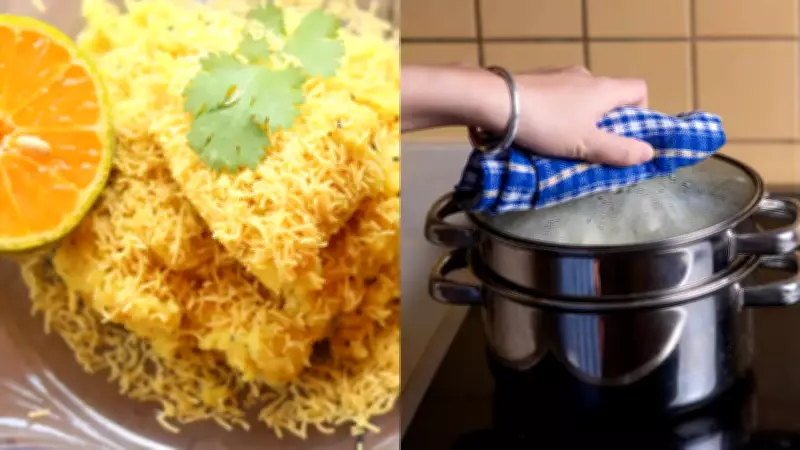
Sev Khamani is a traditional Gujarati snack known for its soft, tangy, and slightly sweet flavor profile. It is prepared using crumbled khaman, which is a steamed dish made from a mixture of besan (gram flour), sooji (semolina), ginger-garlic paste, sugar, salt, baking soda, and water. The crumbled khaman is then tempered with oil, mustard seeds, sesame seeds, curry leaves, and green chillies, and finally garnished with sev (crispy chickpea flour noodles) and fresh coriander leaves.

Summer Food Safety: Critical Guidelines for Steamed and Pan-Fried Dishes
This incident underscores the heightened vulnerability of certain foods, particularly steamed and pan-fried dishes, to bacterial contamination during the summer months. High temperatures and humidity create ideal conditions for rapid bacterial growth if proper precautions are not taken.
Essential Cooking Measures to Prevent Foodborne Illness
- Use Fresh Ingredients Only: During summer, ingredients spoil more quickly. It is crucial to thoroughly inspect items like vegetables, sooji, and besan for signs of spoilage before use, as improper storage can lead to bacterial development.
- Maintain Proper Hygiene: Always wash hands and utensils meticulously before cooking. For steamed dishes like dhokla and khaman, which are moisture-rich, compromised hygiene can significantly increase contamination risks.
- Control Cooking Time and Heat: Ensure steamed dishes are fully cooked to eliminate bacteria; undercooking can promote harmful bacterial growth. For pan-fried items, cook on controlled heat to achieve thorough cooking without burning.
- Avoid Letting Food Sit Out Too Long: Steamed and lightly cooked dishes spoil rapidly in summer heat. Consume them fresh or refrigerate within 1–2 hours to prevent bacterial proliferation.
This outbreak serves as a stark reminder of the importance of stringent food safety practices, especially during warmer seasons when the risk of foodborne illnesses escalates. Authorities continue to investigate the exact cause of the contamination, emphasizing the need for vigilance in food preparation and storage.