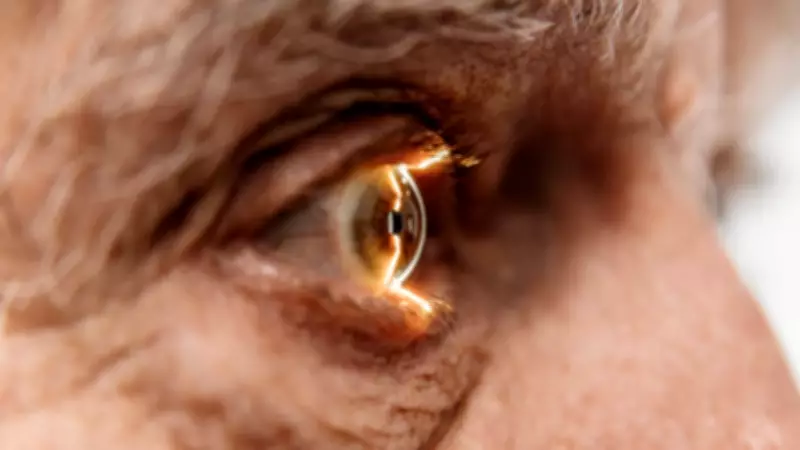
Glaucoma: The Silent Thief of Sight and Why Routine Eye Exams Are Crucial
Most individuals associate vision problems with obvious warning signs such as blurry text, eye strain, or headaches—clear indicators that it might be time for an eye examination. However, glaucoma operates differently, progressing stealthily without early discomfort or urgent signals.
The Silent Danger of Glaucoma
Glaucoma is a significant cause of irreversible blindness worldwide. Dr. Poninder Kumar Dogra, Senior Consultant in Ophthalmology and Vitreoretina at ShardaCare-Healthcity, explains, "Glaucoma is usually silent and may not present any noticeable manifestations in its early stages." This lack of early symptoms makes the condition particularly dangerous, as people often assume their vision is fine until irreversible damage has occurred.
Dr. Dogra adds, "As a result, many individuals are unaware they have glaucoma until the optic nerve damage becomes severe." By the time symptoms appear, the harm is often already done, and unlike many other eye conditions, this damage cannot be reversed.

Understanding Glaucoma and Its Impact
To grasp why early detection is so vital, it helps to understand what glaucoma entails. "Glaucoma is a group of eye diseases that annihilate the optic nerve, which transmits visual information from the eye to the brain," Dr. Dogra clarifies. The optic nerve functions like a cable, carrying everything you see to your brain for interpretation. When this nerve is damaged, signals weaken, leading to a gradual and quiet fading of vision.
This damage is frequently linked to elevated intraocular pressure—high pressure within the eye. "The long-term impact of high pressure can result in gradual sight loss and destruction of the optic nerve," he notes. Alarmingly, the vision loss often begins in a subtle manner that is not easily noticeable. "It is a sad fact that once glaucoma eliminates vision, there is no way to restore it, making early diagnosis and timely treatment crucial." Unlike refractive errors correctable with glasses, glaucoma involves permanent damage with no possibility of reversal.
The Critical Role of Routine Eye Check-Ups
Many people only visit an eye doctor when something feels amiss, but with glaucoma, waiting for symptoms defeats the purpose of prevention. "Eye check-ups are extremely important for the early diagnosis of glaucoma and preventing permanent vision loss," emphasizes Dr. Dogra.
A routine eye exam goes beyond assessing vision; it delves deeper by:
- Measuring intraocular pressure
- Examining the optic nerve
- Conducting visual field tests to map peripheral vision
"Regular eye check-ups enable doctors to detect glaucoma even before symptoms occur. During a thorough examination, an ophthalmologist checks eye pressure, the optic nerve, and may perform visual field tests," he explains. These tests can identify subtle changes long before an individual notices anything, allowing for early intervention. "With these tests, even the initial symptoms of optic nerve damage may be identified." Early diagnosis leads to timely treatment, which can normalize eye pressure and slow disease progression, making check-ups not just routine but preventive.
How Vision Quietly Disappears
One of the most unsettling aspects of glaucoma is its effect on vision. "The initial loss of vision typically affects peripheral vision rather than central vision," says Dr. Dogra. This means side vision shrinks first, while central vision—used for reading, watching, and recognizing faces—remains intact, so changes go unnoticed. "Due to this, patients may not realize something is wrong until the disease reaches an advanced stage." By the time central vision is affected, damage is often severe, earning glaucoma the nickname "silent thief of sight." It doesn't disrupt daily routines but quietly erodes vision bit by bit.
Who Is at Higher Risk?
While anyone can develop glaucoma, certain groups face a higher risk and should be particularly diligent about eye check-ups. Dr. Dogra advises, "Individuals more prone to glaucoma must be more concerned regarding the frequency of eye examinations." High-risk groups include:

- People over 40 years old
- Those with a family history of glaucoma
- Individuals with conditions like diabetes or high blood pressure
- Those with high myopia or strong glasses power
"Eye screening at least once every one to two years is strongly encouraged for these groups," he recommends. However, even if you don't fall into these categories, you are not entirely in the clear, as glaucoma doesn't always follow predictable patterns.
Treatment Options and the Importance of Timing
There is no cure for glaucoma, but treatment can significantly slow its progression. "Eye drops containing medication are usually used to reduce eye pressure. In some cases, laser therapy or surgery may be recommended to enhance fluid flow and normalize eye pressure," explains Dr. Dogra. The goal is to lower pressure and protect the optic nerve from further damage. "Although these treatments cannot heal existing damage, they are highly effective in preventing further vision loss if initiated early." This underscores the critical importance of timing in managing the disease.
Supporting Eye Health Through Daily Habits
Beyond medical interventions, healthy lifestyle measures can aid in controlling glaucoma and safeguarding vision. Dr. Dogra notes, "Managing conditions like diabetes and hypertension, avoiding smoking, and adhering properly to treatment instead of skipping doses when feeling fine are essential." These small, consistent habits support overall eye health meaningfully over time.
Can Routine Eye Check-Ups Prevent Vision Loss?
In many cases, yes—not by entirely stopping glaucoma, but by catching it early enough to control it. "Regular eye check-ups are one of the most effective means of preventing vision impairment due to glaucoma. With early diagnosis, timely treatment, and constant monitoring, it is possible to slow the disease process and preserve vision for many years," says Dr. Dogra. The primary challenge is awareness, as many people don't consider glaucoma until it's too late. "More education is needed on the importance of regular eye check-ups, especially for those at higher risk, to detect glaucoma before it becomes untreatable."
The key takeaway is that a simple eye check-up every one to two years can do something glasses or screens cannot: protect your sight before you even realize it's at risk.