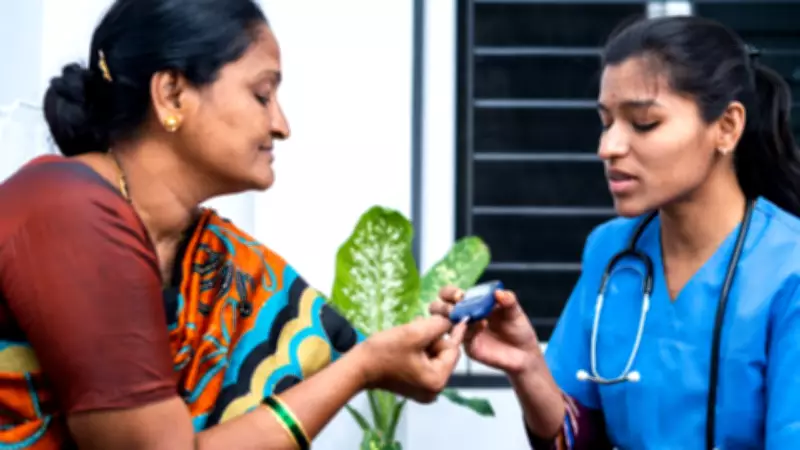
Genes vs. Lifestyle: How Daily Habits Influence Diabetes Risk in India
You have likely heard someone say, "It's in my genes," when discussing diabetes, and they are not entirely mistaken. If your parents or close relatives have diabetes, your chances of developing the condition do increase. However, this is where a common misunderstanding arises. Genetics can load the gun, but lifestyle often pulls the trigger.
The Role of Genetics and Lifestyle in Diabetes
Diabetes is one of the most prevalent lifestyle diseases globally, particularly in countries like India where hereditary factors are significant. When one family member has diabetes, others may also develop it due to genetic predisposition and shared lifestyle habits. Dr. Aravind Badiger, Technical Director at BDR Pharmaceuticals, explains, "Although medications exist to treat diabetes, minor lifestyle changes can substantially impact the condition. These include proper diet, exercise, sleep, and stress management."
Genes do not act alone, a point often overlooked. Two individuals with the same family history may have different outcomes—one develops diabetes while the other does not. Why? Because everyday habits matter immensely. What you eat, how active you are, your sleep quality, and stress levels all play critical roles.

Turning Genetic Risk into an Advantage
Knowing you have a family history of diabetes can actually be beneficial. It provides a heads-up, allowing you to start early with regular check-ups and proactive changes before symptoms appear. Simple adjustments like walking more, reducing sugary drink intake, and monitoring weight gain become paramount.
Conversely, there is often a quiet fear associated with genetics, leading some to believe diabetes is inevitable. This is not true. Having a genetic risk does not guarantee you will develop diabetes; it merely means you need to be more aware and cautious.
The Growing Diabetes Epidemic in India
Diabetes has become a part of everyday life in India, with nearly every family knowing someone affected. The statistics are alarming: India has over 100 million people living with diabetes, one of the highest rates worldwide. More concerning is that approximately 130 million individuals are in the prediabetes stage, at high risk but often unaware.
The condition is no longer limited to older adults. Increasingly, people in their 20s and 30s are being diagnosed with Type 2 Diabetes, largely due to changes in daily life and habits.
Expert-Recommended Lifestyle Tweaks to Manage Diabetes Risk
Dr. Aravind Badiger shares practical lifestyle adjustments to help keep diabetes at bay:
- Encourage Regular Physical Activity: Physical activity helps control diabetes by using glucose for energy, lowering blood sugar levels. Aim for at least 30 minutes of brisk walking, cycling, yoga, or swimming most days. Even small activities like gardening or walking after meals are beneficial.
- Focus on Balanced and Mindful Eating: Emphasize a healthy, balanced diet rich in fiber to slow glucose absorption and prevent spikes. Maintain regular meal routines to help regulate insulin response.
- Prioritize Good Sleep: Adequate, quality sleep is crucial for blood glucose control. Sleep deprivation can cause insulin resistance and increase cravings for carbs. Aim for 7-8 hours nightly, stick to a schedule, and avoid screens before bed.
- Manage Stress Effectively: Prolonged stress raises blood glucose via hormones like cortisol. Techniques like meditation, deep breathing, yoga, or hobbies can help manage stress, with family support being key.
- Maintain Regular Health Monitoring: Monitor blood glucose, blood pressure, and cholesterol levels regularly. Tracking HbA1c levels every few months provides insights into average glucose control, aiding better management.
The Power of Small, Consistent Habits
Managing diabetes is not about self-blame but consistency in daily routines. Small, daily actions—such as post-meal walks, balanced eating, sufficient sleep, and stress reduction—can significantly maintain normal blood sugar levels. These habits benefit not only individuals with diabetes but also their families, fostering a healthier lifestyle together.

Medical experts consulted: This article includes expert inputs from Dr. Aravind Badiger, Technical Director at BDR Pharmaceuticals, shared with TOI Health.