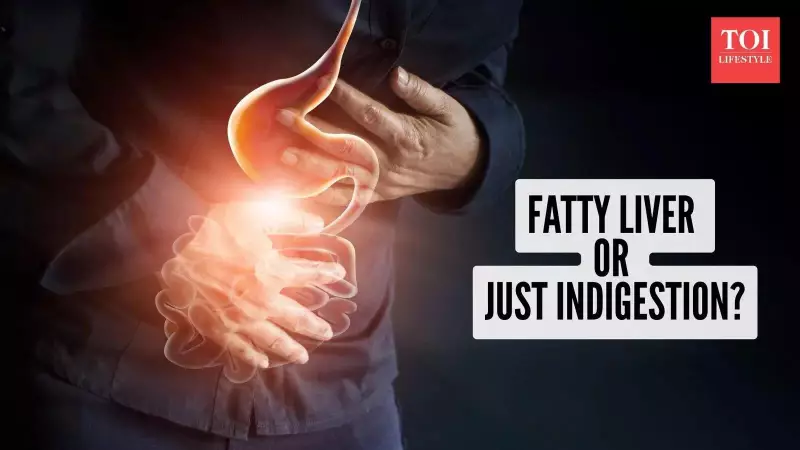
That familiar feeling of an upset stomach, bloating after eating, or mild nausea is something many of us experience. We often blame it on the food we ate, stress, or simple acidity. However, medical experts warn that for a significant number of people, these quiet digestive disturbances may not originate in the stomach at all. Their source could be the liver, specifically a condition known as fatty liver disease.
The Silent Nature of Early Fatty Liver
In its initial stages, fatty liver disease rarely presents with sharp, alarming pain or dramatic symptoms. Instead, it communicates through soft, persistent signals that are incredibly easy to dismiss or attribute to more common gastrointestinal problems. This subtlety is precisely why countless individuals live with a fatty liver for years, believing they merely have a sensitive stomach or poor digestion. Here are five key symptoms of fatty liver that are frequently mistaken for routine stomach troubles.
1. A Persistent Feeling of Fullness After Small Meals
If you often feel uncomfortably full and heavy even after consuming a small, light meal, you might blame it on slow digestion or gas. However, in cases of fatty liver, this sensation can occur because the organ becomes enlarged due to excess fat accumulation. The liver is located on the right side of the upper abdomen. When it swells, even slightly, it can press against surrounding organs. This pressure creates a distinct sense of heaviness or tightness, particularly noticeable after eating.

This feeling is typically not sharp or severe, leading many to dismiss it as a result of overeating or poor dietary choices. The crucial difference from ordinary indigestion is the frequency; it happens consistently, even with meals that should not cause any trouble.
2. Dull Discomfort on the Upper Right Side
Classic stomach pain or acidity tends to be central or migratory. Fatty liver discomfort often manifests differently. It commonly appears as a dull ache, pressure, or a vague sense of uneasiness specifically in the upper right quadrant of the abdomen, just beneath the rib cage.
This sensation can be mistaken for trapped gas or a minor muscle strain. It may intensify after consuming oily or rich foods or after long periods of sitting. Because it is mild and steady rather than acute, it seldom raises immediate red flags. Over time, people adapt to this ongoing discomfort, accepting it as their "normal," which significantly delays proper testing and diagnosis.
3. Unexplained and Constant Bloating
Bloating is one of the most common and misunderstood symptoms. With fatty liver, bloating can occur even when your meals are simple, healthy, and portions are well-controlled. You might find your stomach feeling stretched, tight, or distended by the end of the day, without the typical excess gas or belching associated with gastric issues.
This happens because inflammation in the liver can disrupt how the body metabolizes fats and sugars. It can also slow down the digestive process slightly, leading to a prolonged feeling of fullness that mimics common gastric trouble. When bloating transitions from an occasional annoyance to a daily routine, it warrants investigation beyond over-the-counter antacids.
4. Low-Grade, Persistent Nausea
Mild nausea, especially in the mornings or after eating rich food, is frequently linked to acidity, hunger, or lack of sleep. In the context of fatty liver, the nausea tends to be low-grade but persistent. It usually does not escalate to vomiting, which makes it easier to ignore or self-treat.
The liver plays a central role in filtering toxins and processing nutrients from our diet. When fat infiltration interferes with this vital work, the body may respond with subtle, recurring nausea. This symptom often comes and goes, adding to the confusion and further delaying a person's decision to seek medical care.
5. Digestive Discomfort Paired with Unexplained Fatigue
An upset stomach on its own is commonplace. However, an upset stomach coupled with deep, unshakable fatigue is a more significant combination. Fatty liver disease often brings unexplained and persistent tiredness along with digestive complaints.

The body expends considerable extra energy managing the metabolic stress placed on a fatty liver. This leaves less energy available for daily activities. The resulting fatigue feels profound and is not relieved by adequate rest. When symptoms like bloating, heaviness, or nausea consistently appear alongside this kind of relentless fatigue, the root cause likely extends beyond the stomach.
Why These Warning Signs Are So Frequently Overlooked
Fatty liver disease does not announce itself with fanfare. There is no dramatic, unmistakable pain in the early phases. Its symptoms heavily overlap with the routine digestive problems that most adults encounter occasionally. Busy lifestyles, a tendency to self-medicate with readily available remedies, and postponing health check-ups compound the issue. A simple blood test to check liver enzymes or an abdominal ultrasound can often reveal what antacids and dietary changes alone cannot fix.
Disclaimer: This article is intended for general awareness and informational purposes only. It is not a substitute for professional medical advice. Symptoms can vary widely from person to person. Anyone experiencing ongoing digestive discomfort, unexplained fatigue, or any of the signs mentioned above should consult a qualified healthcare professional for a proper evaluation, diagnosis, and personalized guidance.