

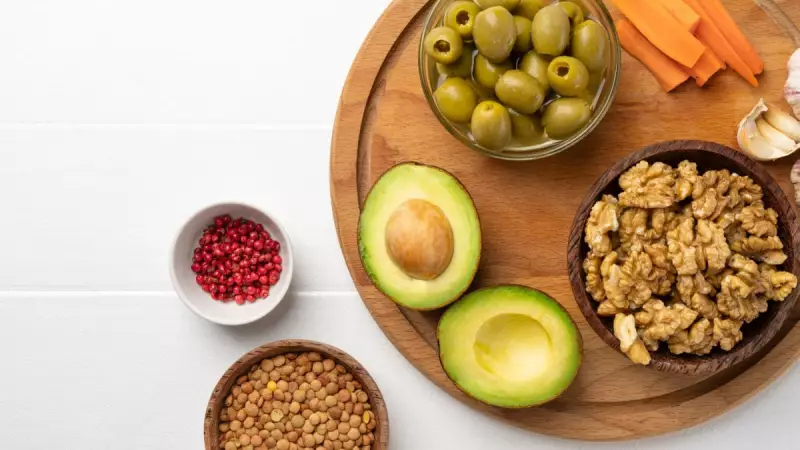
The Alarming Link Between Fatty Liver and Colon Cancer
Recent medical studies have uncovered a significant and concerning connection between non-alcoholic fatty liver disease (NAFLD) and an elevated risk of developing colon cancer. This revelation has sent shockwaves through the healthcare community, prompting urgent calls for dietary intervention and lifestyle modifications.
Understanding the Biological Mechanism
The relationship between these two conditions is not merely coincidental. Fatty liver disease, characterized by excessive fat accumulation in liver cells, creates a state of chronic inflammation throughout the body. This persistent inflammatory environment can damage DNA in colon cells, potentially leading to cancerous mutations over time.
Researchers have identified several pathways through which fatty liver contributes to colon cancer development:

- Increased insulin resistance and elevated insulin-like growth factors
- Altered gut microbiota composition
- Production of pro-inflammatory cytokines
- Oxidative stress damage to intestinal cells
Foods to Incorporate for Prevention
While the connection is alarming, the good news is that dietary choices can significantly impact both conditions. Nutrition experts emphasize that certain foods can help reduce liver fat accumulation while simultaneously protecting colon health.
Essential Dietary Components
Fiber-rich foods should form the cornerstone of any preventive diet. These include:
- Whole grains like oats, barley, and brown rice
- Legumes including lentils, chickpeas, and kidney beans
- Fresh vegetables, particularly leafy greens and cruciferous varieties
- Fruits with edible skins and seeds
Antioxidant-packed foods play a crucial role in combating inflammation. Berries, nuts, green tea, and dark chocolate contain compounds that neutralize free radicals and reduce cellular damage.
Specific Liver-Protective Foods
Certain foods have demonstrated particular effectiveness in supporting liver health:
- Coffee (in moderation) has shown protective effects against liver fibrosis
- Garlic contains compounds that may help reduce liver fat
- Fatty fish like salmon provide omega-3 fatty acids that reduce inflammation
- Olive oil, especially extra virgin varieties, contains healthy fats beneficial for liver function
Foods to Limit or Avoid
Equally important to understanding what to eat is recognizing what to limit. Medical professionals strongly advise reducing consumption of:
Processed foods high in refined sugars and unhealthy fats can exacerbate both fatty liver and colon cancer risk. This includes sugary beverages, packaged snacks, and fried foods.
Red and processed meats should be consumed sparingly, as studies have linked them to increased colon cancer risk. When including animal proteins, lean poultry and fish are preferable options.
Implementing Sustainable Dietary Changes
Making lasting dietary modifications requires a strategic approach. Nutritionists recommend starting with small, manageable changes rather than attempting complete dietary overhauls overnight.
Practical steps include:
- Gradually increasing fiber intake to allow the digestive system to adjust
- Planning meals ahead to avoid unhealthy impulse choices
- Reading food labels carefully to identify hidden sugars and unhealthy fats
- Staying adequately hydrated, as water supports both liver and colon function
The Role of Regular Monitoring
Individuals with fatty liver disease or those at risk for colon cancer should maintain regular medical check-ups. Early detection through screening can significantly improve outcomes for both conditions.
Healthcare providers emphasize that dietary changes work best when combined with other healthy lifestyle practices, including regular physical activity, maintaining a healthy weight, and avoiding excessive alcohol consumption.

The connection between fatty liver and colon cancer serves as a powerful reminder of how interconnected our bodily systems truly are. By making informed dietary choices today, individuals can take proactive steps toward protecting their long-term health and reducing their cancer risk.





