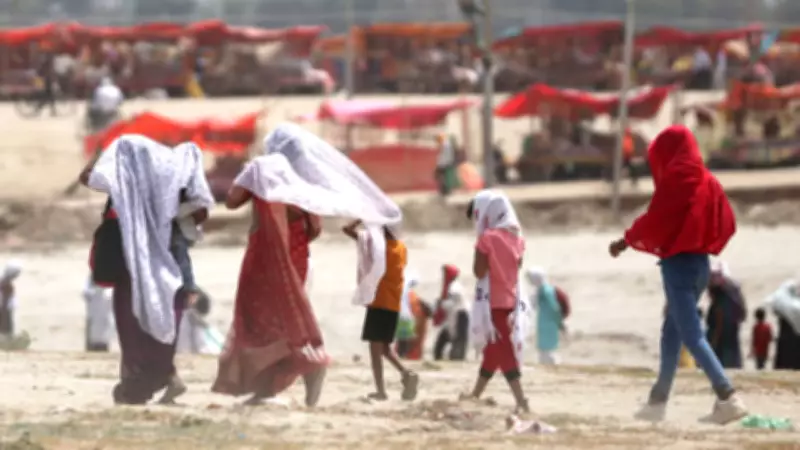
Most people perceive a heatwave as merely a stretch of uncomfortable days marked by sweat, irritability, and perhaps a poor night's sleep. However, emergency physicians working through Indian summers know it is far more severe. In India, where temperatures are rising faster and persisting longer, understanding the health impacts of extreme heat is no longer optional.
Defining Heatwaves in India
Dr. Nethra N, Senior Specialist in Internal Medicine at KIMS Hospitals, Electronic City, Bengaluru, explained to TOI Health that heatwaves typically occur between March and June, occasionally extending into July. The extreme temperatures and resultant atmospheric conditions adversely affect people, causing physiological stress that can sometimes lead to death. The India Meteorological Department (IMD) defines a heatwave as a condition where the maximum temperature reaches at least 40°C for plains and 30°C for hilly regions. A severe heatwave occurs when the temperature departure exceeds 6.4°C.
The Numbers Behind the Crisis
According to National Crime Records Bureau (NCRB) data, more than 20,000 people died from heatstroke between 2001 and 2020. On average, over 1,000 Indians die annually due to heatwaves, with some estimates suggesting that a single heatwave day across the country can result in 3,400 deaths. A peer-reviewed study published in Frontiers in Environmental Health in 2026 modeled this further, estimating that a five-day heatwave causes nearly 30,000 excess deaths nationally. The Lancet's 2025 Countdown report found that India recorded an average of 19.8 heatwave days last year, of which 6.6 days would not have occurred without human-induced climate change. Heat exposure in 2024 also led to the loss of 247 billion potential labor hours, primarily in agriculture and construction, amounting to an economic loss of about $194 billion. Thus, the damage is systemic, not merely medical. The report stated that compared to 1990-1999, in 2024, people were exposed on average to 366 more hours during which ambient heat would have posed a moderate or higher risk of heat stress if undertaking moderate outdoor physical activity. This was a record high.

What Extreme Heat Does to the Body
Dr. Nethra N explains that heat-related illness exists on a spectrum. It begins with heat cramps, swelling, and fainting, usually with a fever below 39°C. Next is heat exhaustion, characterized by fatigue, dizziness, nausea, muscle cramps, and heavy sweating. At the most severe end is heatstroke, with a body temperature at or above 40°C, potentially accompanied by delirium, seizures, or coma. Heatstroke is potentially fatal and demands immediate emergency care. However, the hidden damage is equally concerning. Research has identified multiple physiological mechanisms triggered by heat exposure, including ischemia, heat cytotoxicity, inflammatory response, disseminated intravascular coagulation, and rhabdomyolysis. These can critically impact vital organs such as the brain, heart, intestines, kidneys, liver, lungs, and pancreas. Sustained extreme heat does not merely cause discomfort; it can quietly injure organs without obvious symptoms until something goes seriously wrong. Among the indirect effects, heat exposure stresses underlying physiological systems, leading to conditions like renal insufficiency, acute cerebrovascular and cardiovascular disease, and exacerbations of pulmonary disease. People with pre-existing heart disease, high blood pressure, or kidney conditions are especially vulnerable, as their systems are already under load, and added heat stress can push them over the edge.
Who Is Most at Risk
The elderly, infants and young children, outdoor workers, pregnant women, and people with chronic illnesses are in the highest-risk category.

What You Should Actually Do
Dr. Nethra N's advice is practical and non-negotiable. Stay hydrated and do not wait until you are thirsty to drink water, because thirst is a poor indicator of dehydration. ORS, buttermilk, and lemon water with salt are not just home remedies; they are medically sound options for replacing electrolytes lost through sweat. Wear loose, light-colored cotton clothing. Cover your head when stepping out. Avoid going outside between noon and 3 p.m., when the heat is most intense. If someone around you shows signs of heat exhaustion, move them to shade immediately, cool them down with wet clothes, and call a doctor if symptoms worsen or they lose consciousness. Do not give alcohol, tea, coffee, or carbonated drinks to someone who is overheating. Never leave children or pets in parked vehicles; the temperature inside a closed car in the Indian summer sun can become dangerous within minutes.
Conclusion
India's summers are no longer just an inconvenience to endure. Extreme heat is a medical emergency in slow motion, and it is worsening every year.
Medical experts consulted: This article includes expert inputs shared with TOI Health by Dr. Nethra N, Senior Specialist – Internal Medicine, KIMS Hospitals, Electronic City, Bengaluru. Inputs were used to explain how heatwaves affect human health and what can be done to stay safe.
About the Author: Maitree Baral is a health journalist on a mission to make medical science digestible and healthcare approachable. Covering everything from wellness trends to life-changing medical research, she turns complex health topics into engaging, actionable stories readers can actually use.