

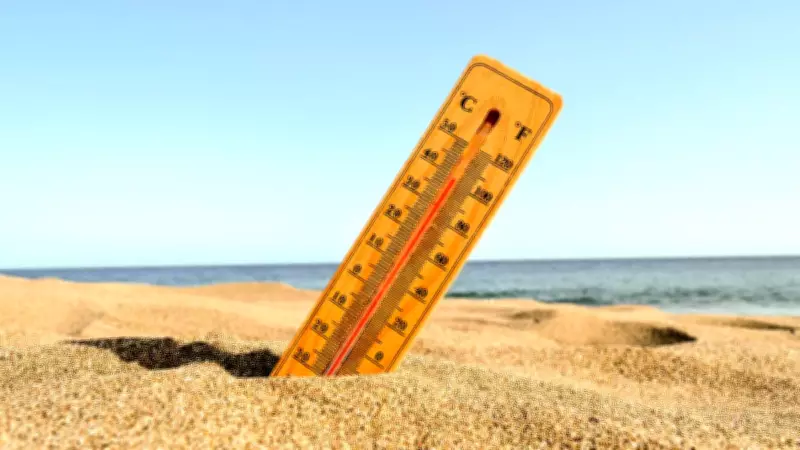
As India grapples with an intense heatwave, experts warn that extreme heat can quietly damage your body even before you notice symptoms. The rising temperatures pose serious health risks, including heat exhaustion, heat stroke, and long-term organ damage. Understanding how heat affects the body and taking preventive measures is crucial for staying safe.
How Extreme Heat Affects the Body
When exposed to high temperatures, the body works hard to maintain a normal internal temperature. Prolonged exposure can overwhelm the body's cooling system, leading to heat-related illnesses. The heart pumps faster to circulate blood to the skin, increasing strain on the cardiovascular system. Dehydration occurs as the body loses fluids through sweat, which can impair kidney function and electrolyte balance. In severe cases, heat stroke can cause damage to the brain, heart, kidneys, and muscles.
Common Symptoms of Heat-Related Illness
- Heat Cramps: Painful muscle spasms due to electrolyte loss.
- Heat Exhaustion: Heavy sweating, weakness, dizziness, nausea, and headache.
- Heat Stroke: High body temperature (above 103°F), confusion, loss of consciousness, and hot, dry skin. This is a medical emergency.
Tips to Protect Yourself from Extreme Heat
Stay Hydrated
Drink plenty of water throughout the day, even if you do not feel thirsty. Avoid alcohol, caffeine, and sugary drinks as they can dehydrate you. Carry a water bottle and sip frequently. Oral rehydration solutions can help replenish electrolytes.

Keep Cool
Stay indoors during peak heat hours (10 a.m. to 4 p.m.). Use fans, air conditioning, or cool showers. Wear lightweight, light-colored, and loose-fitting clothing. Use a damp cloth on your neck and wrists to lower body temperature.
Avoid Strenuous Activities
Limit outdoor exercise and physical labor. If you must be outside, take frequent breaks in the shade or a cool place. Schedule activities for early morning or evening when temperatures are lower.
Protect Vulnerable Groups
Check on elderly people, infants, and those with chronic illnesses. They are more susceptible to heat-related issues. Never leave children or pets in parked vehicles, even for a short time.
Recognize Warning Signs
Be aware of symptoms like excessive sweating, muscle cramps, weakness, or confusion. If you or someone else shows signs of heat stroke, move to a cooler place, apply cool cloths, and seek medical help immediately.
Long-Term Health Impacts
Repeated exposure to extreme heat can lead to chronic health problems, including kidney disease, cardiovascular issues, and respiratory difficulties. Climate change is expected to increase the frequency and intensity of heatwaves, making it essential to adapt and protect your health.
Stay informed about heat advisories and plan your day accordingly. By taking these precautions, you can reduce the risk of heat-related damage and enjoy a safer summer.






