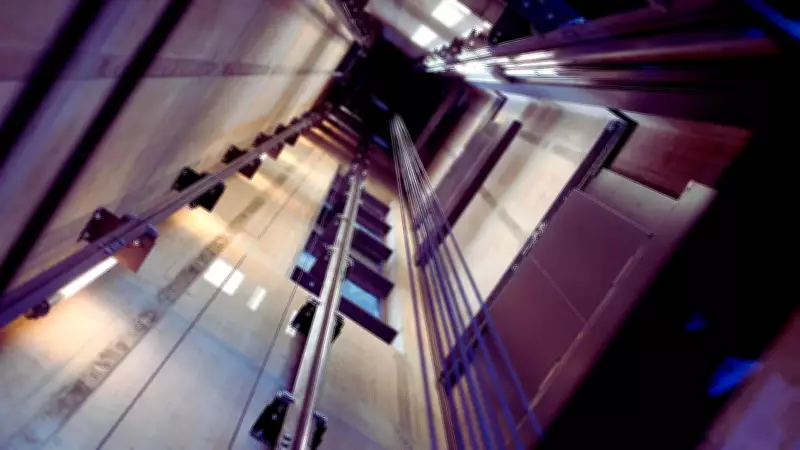
Elevator Safety: A Critical Concern in Modern High-Rise Living
Elevators have become indispensable components of contemporary high-rise architecture, facilitating vertical transportation in residential complexes, commercial offices, shopping malls, and hospitality establishments. While the majority of building management systems rigorously enforce stringent safety protocols during lift installation and maintenance, unfortunate incidents continue to occur with disturbing regularity. Although responsibility for such mishaps often falls upon elevator manufacturers, construction companies, or maintenance providers, human error remains a significant contributing factor in numerous cases.
Understanding Elevator Mechanics and Safety Imperatives
Elevators represent sophisticated mechanical systems designed for efficient vertical transportation, yet like all machinery, they remain susceptible to technical malfunctions and operational failures. This inherent vulnerability underscores the critical importance of exercising extreme caution during elevator usage. Even seemingly minor behavioral lapses—such as rushing through doors, improper button operation, or playful interactions—can precipitate serious injuries. Consequently, parental guidance in establishing fundamental safety protocols becomes paramount for child safety.
Umang Bansal, Chairman of Polo Elevators, emphasizes that comprehensive safety education should encompass both adult practices and child-oriented instruction. "Elevators are engineered transport mechanisms, not recreational devices," Bansal notes. "Their proper functioning depends equally on technical maintenance and responsible user behavior."

Fundamental Safety Guidelines for Children
1. Distinguishing Machines from Toys
Children's natural curiosity often transforms elevators into perceived play spaces, particularly when confronted with moving compartments and interactive control panels. Parents must clearly communicate that elevators serve the exclusive purpose of safe inter-floor transportation. While jumping or playing inside might appear harmless, such activities can disrupt elevator balance mechanisms and create hazardous situations for all occupants.
2. Mastering Elevator Etiquette
Behavioral protocols significantly enhance safety outcomes. Children should learn to permit complete passenger egress before attempting entry—a practice that prevents collisions, falls, and door-related accidents. This fundamental courtesy minimizes physical risks while fostering respectful shared-space utilization.
3. Mindful Movement During Transitions
Parents should train children to visually verify floor alignment before stepping into or out of elevator cabins. Slight discrepancies between elevator and building floor levels can cause tripping hazards, particularly when combined with loose shoelaces, dangling backpack straps, or flowing clothing items. A momentary pause for visual assessment dramatically reduces accident probabilities.
4. Responsible Button Operation
Control panels naturally attract youthful attention, yet indiscriminate button activation creates unnecessary stops and passenger inconvenience. Children should understand the principle of selective button engagement—pressing only their destination floor—while recognizing that emergency buttons remain exclusively for genuine crisis situations.
5. Maintaining Distance from Automatic Doors
Despite modern sensor technologies, elevator doors can pose particular risks to smaller children whose limbs may escape detection systems. Kids must learn to maintain safe clearance from closing mechanisms, never attempting to interrupt door operation with hands, feet, or personal belongings. Physical contact during door movement frequently results in painful pinching or entrapment injuries.
6. Appropriate Cabin Conduct
Transforming elevator cabins into makeshift playgrounds through jumping, door-leaning, or handrail-hanging behaviors introduces multiple safety concerns. Such activities can affect elevator counterbalance systems while increasing slip-and-fall risks for active children. Proper upright posture with light handrail contact (if needed) represents the optimal traveling position.

Emergency Preparedness and Adult Supervision
While statistically rare, elevator malfunctions require calm, informed responses. Children should learn that elevators contain multiple safety features and adequate air supply during immobilization. Emergency protocols emphasize avoiding panic-driven button pressing while utilizing help buttons only when absolutely necessary.
Younger children invariably require direct adult supervision during elevator use. Parental presence ensures compliance with safety procedures while providing immediate guidance during unusual occurrences. These shared experiences offer valuable opportunities for reinforcing safety principles through practical demonstration.
Cultivating Lifelong Safety Habits
Given elevators' ubiquitous presence in daily life, safety education should evolve into consistent behavioral patterns rather than occasional reminders. Through patient instruction and positive parental modeling, children can develop responsible elevator usage habits that significantly reduce accident risks. As Umang Bansal concludes, "Proactive safety education transforms elevator journeys from potential hazards into routine, secure transportation experiences for all family members."