The Punjab Pollution Control Board (PPCB) has recommended legal proceedings against a local hospital in Doraha for improper disposal of biomedical waste, officials confirmed. The hospital, Dashmesh Charitable Hospital, was found to be flouting provisions of the Water (Prevention and Control of Pollution) Act, 1974; the Air (Prevention and Control of Pollution) Act, 1981; and the Bio-Medical Waste Management Rules, 2016.
Complaint and Inspection
The PPCB conducted an inspection of the hospital premises on May 19 following a complaint filed by Samita Kaur, a Doraha resident, on May 15. The complaint alleged illegal dumping and improper disposal of biomedical waste. During the inspection, authorities found violations and subsequently directed concerned officials to initiate legal proceedings.
Incident Sparked Outrage
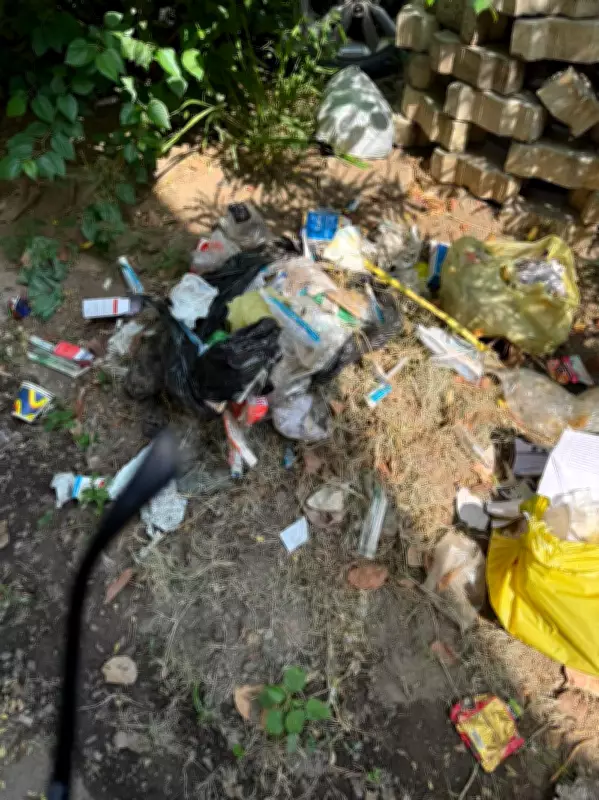
The matter gained significant attention after a safai volunteer, deployed by residents due to a sweepers' strike, sustained an injury from a sharp object while handling biomedical waste scattered near the hospital. The waste included used syringes, needles, IV sets, and discarded medicines dumped in the open. This incident caused outrage among local residents, particularly those living on Guru Teg Bahadur Street.

Narinder Kaur Sandhu, a retired principal and environmentalist, expressed concern over the recurring issue. She stated, "It seems the hospitals have no fear of any authority. Last Sunday, heaps of biomedical waste were found in Ludhiana's Model Town. The waste was discarded in full public view. Hospitals generally do not follow norms, and residents have to suffer. The issue keeps recurring, and due to failure of strict action, no one cares much about safety and hygiene." She emphasized the need for transparency in proceedings and stricter action to prevent such incidents.
Expert Warnings on Bio-Waste Hazards
Paveela Bali, an environmentalist from Chandigarh, highlighted the dangers of improper biomedical waste disposal. She explained that medical waste may contain infectious pathogens, toxic chemicals, or sharp materials. "It is full of infectious waste, including blood-soaked bandages, cultures and swabs, used needles and syringes, scalpels and blades, human tissues, organs and body parts, and expired, contaminated or unused medicines. It can be extremely dangerous if not disposed of properly. It is crucial to ensure infectious and hazardous materials are processed safely to protect public health and the environment," she added.
The PPCB environmental engineer confirmed that the authorities were asked to begin the process for legal proceedings against the hospital. The case highlights ongoing challenges in biomedical waste management in the region and the need for stringent enforcement of regulations.