Navratri Fasting with Diabetes: A Comprehensive Guide to Safety and Health
As Navratri approaches in 2026, individuals with diabetes face unique challenges when observing traditional fasting practices. This religious period, marked by devotion and dietary restrictions, requires careful planning to maintain blood sugar levels and overall health. Experts emphasize that with proper strategies, people with diabetes can participate safely without compromising their medical condition.
Understanding the Risks and Preparing Adequately
Fasting during Navratri typically involves abstaining from grains, non-vegetarian foods, and certain spices, which can disrupt normal eating patterns. For those with diabetes, this poses risks such as hypoglycemia (low blood sugar) or hyperglycemia (high blood sugar) if not managed correctly. Consulting a healthcare provider before fasting is crucial to assess individual health status and receive personalized advice. Medical professionals often recommend adjusting medication dosages and monitoring blood glucose more frequently during this period.
Safe Diet Recommendations for Navratri Fasting
Adopting a balanced diet is key to navigating Navratri fasting with diabetes. Focus on incorporating foods that provide sustained energy and prevent blood sugar spikes.

- Include Complex Carbohydrates: Opt for singhare ka atta (water chestnut flour), kuttu ka atta (buckwheat flour), and rajgira (amaranth) in meals. These are rich in fiber and digest slowly, helping stabilize glucose levels.
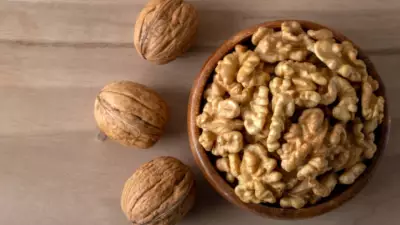
- Prioritize Protein Sources: Consume dairy products like milk, yogurt, and paneer, along with nuts and seeds. Protein aids in satiety and reduces cravings for unhealthy snacks.
- Emphasize Hydration: Drink plenty of water, herbal teas, and buttermilk to stay hydrated. Avoid sugary beverages and limit caffeine, which can lead to dehydration and blood sugar fluctuations.
- Choose Healthy Fats: Use oils like peanut or coconut in moderation for cooking, and include avocados or ghee in small amounts to support energy needs.
Practical Tips for Managing Diabetes During Fasting
Beyond diet, several lifestyle adjustments can enhance safety during Navratri.
- Monitor Blood Sugar Regularly: Check levels at least 2-3 times daily, especially before and after meals, to detect any abnormalities early.
- Plan Small, Frequent Meals: Instead of large feasts, eat smaller portions every few hours to maintain steady glucose and avoid overeating during allowed times.
- Incorporate Light Physical Activity: Engage in gentle exercises like walking or yoga, but avoid strenuous workouts that might trigger hypoglycemia.
- Be Mindful of Symptoms: Watch for signs of low blood sugar, such as dizziness or sweating, and have a quick-acting carbohydrate source like fruit or glucose tablets on hand.
Foods to Avoid and Special Considerations
Certain traditional Navratri foods can be problematic for diabetes management. Steer clear of deep-fried items like pakoras and puri, as they are high in unhealthy fats and calories. Limit intake of sweets made from sugar or jaggery, opting instead for natural sweeteners in moderation. For those on insulin or other medications, strict adherence to timing and dosage is essential to prevent complications. Pregnant women with diabetes or individuals with other health conditions should seek extra guidance from their doctors.
By following these guidelines, people with diabetes can observe Navratri fasting in 2026 safely and healthily. Remember, the goal is to balance religious practices with medical needs, ensuring well-being throughout the festive season.