

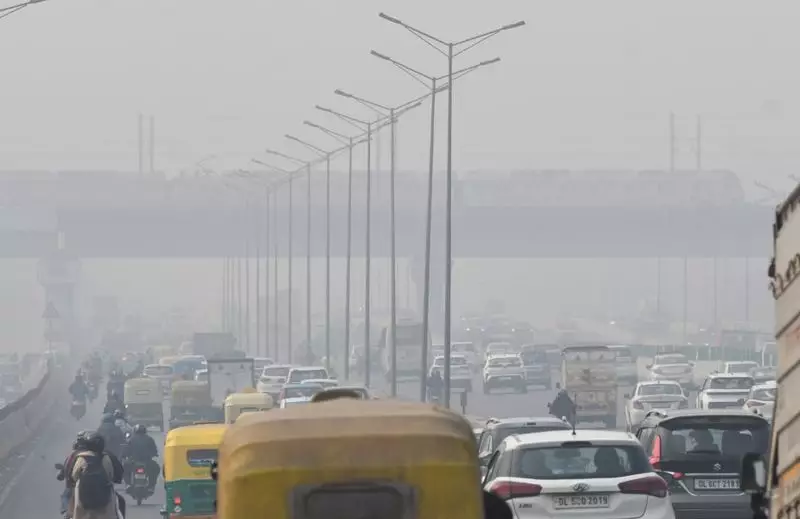
Delhi Grapples with Intense Smog as Air Quality Plummets
Delhi is currently enveloped in a thick blanket of severe smog, causing significant health and environmental concerns. The air quality index has surged to a dangerous level of 417, pushing the capital into the hazardous category. Residents are reporting visible haze and breathing difficulties across the city.
Wazirpur Emerges as the Most Polluted Zone
Among all areas, Wazirpur stands out as the worst-hit locality. Monitoring stations in Wazirpur recorded the highest pollution levels, making it the epicenter of this smog crisis. Local authorities are on high alert as the situation demands immediate attention.
The spike in AQI reflects a combination of factors including vehicular emissions, industrial pollution, and unfavorable weather conditions. Experts point to stagnant winds and low temperatures trapping pollutants close to the ground.

Health Advisories and Public Response
Doctors are advising people, especially children and the elderly, to limit outdoor activities. Many schools have issued alerts, urging students to stay indoors. The government is considering measures like odd-even vehicle schemes to curb emissions.
Citizens are expressing frustration over the recurring smog episodes. Social media is flooded with images of the hazy skyline and complaints about poor visibility. The crisis underscores the urgent need for long-term solutions to Delhi's air pollution problem.
Officials are monitoring the situation closely, with hopes for improved conditions as weather patterns shift. For now, Delhi remains under a smog siege, with Wazirpur bearing the brunt of the pollution onslaught.






