Quick CPR Action Saves Runner During Pune Marathon
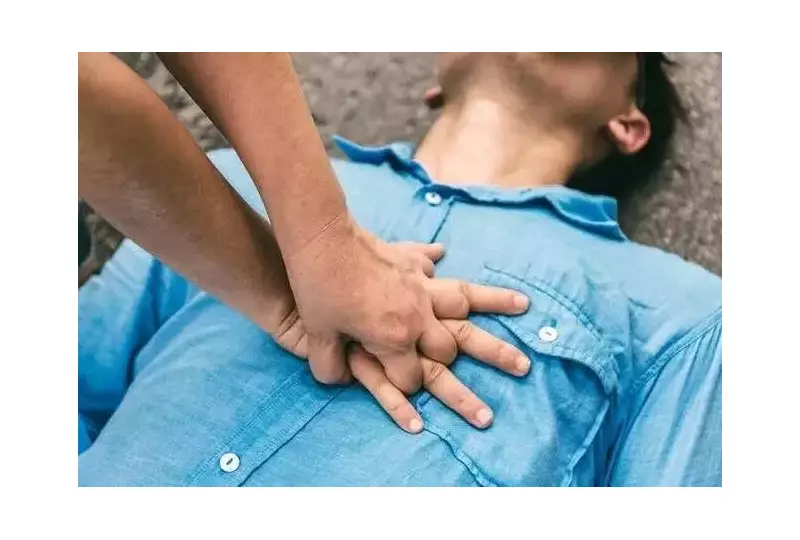
A dramatic rescue unfolded near Savitribai Phule Pune University during a recent marathon event. A runner collapsed near the finish line of a 10-kilometer race, showing no pulse or breathing. Fellow participant Tushar Paturde sprang into action, performing life-saving chest compressions that kept the victim alive until medical help arrived.
Fresh Training Proves Crucial in Emergency
Paturde had completed cardiopulmonary resuscitation training just seven days before the marathon through a hospital program coordinated with the Baner Balewadi Medicos Association. When he heard calls for someone with medical knowledge, he immediately responded to the unconscious runner.
"Everything happened very fast," Paturde recalled. "There was no time to think — instinct just took over."
He administered CPR continuously for ten minutes with assistance from other runners until an ambulance reached the scene. The victim was then transported to a hospital for further treatment.
Dangerous Misconceptions Among Bystanders
Paturde observed concerning reactions from some spectators during the emergency. "Some bystanders suggested giving the man water, which can be fatal in such situations," he noted. "CPR is a simple skill, but it is only effective if people know exactly how and when to use it."
Medical Experts Emphasize "Golden Minutes"
Nayantara Das, head of emergency medicine at Manipal Hospital Baner, explained why Paturde's intervention proved so critical. "Once the heart stops, brain cells suffer irreversible damage within three minutes," Das stated. "Basic life support provided by bystanders during these ‘golden minutes' can triple survival chances."
She highlighted India's alarming CPR awareness gap, with barely one percent of the population trained in emergency response techniques. Her hospital has trained approximately 10,000 citizens over the past six months to address this deficiency.
Community Health Initiative Expands
The CPR training program forms part of a broader community health effort. Rajesh Deshpande, founder and president of the Baner Balewadi Medicos Association, described their motivation. "The Baner–Balewadi area has a strong presence of socially active IT professionals through the IT social cell who do commendable work," Deshpande said. "As medicos, we felt it was our responsibility to contribute to community health."
Their initiative began with CPR instruction because these skills benefit everyone. Future plans include workshops on stress management and mental health to help community members cope with modern life pressures.
Call for Mainstream Emergency Training
Public health experts say this incident demonstrates the urgent need to incorporate CPR training into public events and fitness gatherings. Medical emergencies can occur unexpectedly during physical activities, making bystander preparedness essential.
The successful rescue shows how basic emergency skills can mean the difference between life and death. As more Indians participate in marathons and fitness events, organizers and communities must prioritize safety education alongside physical activity promotion.