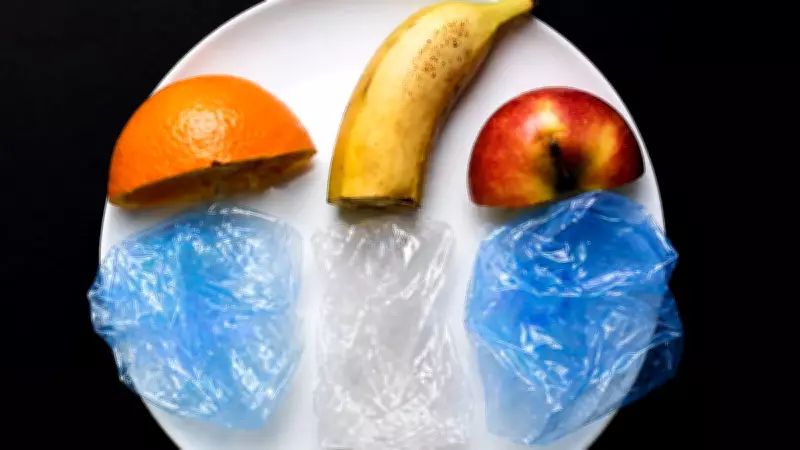
A disturbing trend has emerged in China where individuals are consuming plastic as part of a bizarre social media challenge. This practice, often promoted as a test of endurance or a prank, involves eating items like plastic bags, bottles, and wrappers. Health experts are raising alarms about the severe and potentially life-threatening consequences.
Health Risks of Eating Plastic
Consuming plastic poses immediate and long-term health dangers. The indigestible material can cause blockages in the digestive tract, leading to pain, vomiting, and constipation. In severe cases, surgery may be required to remove the obstruction. Additionally, plastics contain harmful chemicals such as bisphenol A (BPA) and phthalates, which can leach into the body and disrupt hormones, potentially causing reproductive issues, developmental problems, and increased cancer risk.
Long-Term Effects
Repeated consumption can lead to chronic inflammation, nutrient malabsorption, and damage to internal organs. Microplastics can accumulate in tissues, triggering immune responses and oxidative stress. Studies have linked plastic ingestion to liver and kidney damage, as well as neurological effects.

Social Media Influence
The trend has spread rapidly on platforms like Douyin (TikTok) and Weibo, where videos of people eating plastic garner millions of views. Influencers and teenagers are particularly susceptible, often mimicking these acts for likes and followers. Health authorities in China have started issuing warnings, but the trend continues to grow.
Expert Recommendations
Doctors strongly advise against any form of plastic consumption. Instead, they recommend seeking healthy alternatives for social media challenges. If someone has ingested plastic, immediate medical attention is necessary. Symptoms like abdominal pain, difficulty swallowing, or blood in stool require emergency care.
This alarming fad highlights the dangers of unchecked social media trends and the need for greater public awareness about health risks. Parents and educators are urged to discuss these dangers with young people to prevent further incidents.