Chennai's Pet Licensing Drive Sees Surprising Cat Registrations
Greater Chennai Corporation's ongoing drive to license pet dogs has produced an unexpected outcome. More than 4,000 cats have been registered with the civic body in the past six months. This development highlights a previously overlooked aspect of pet ownership in the city.
Breakdown of Registered Cat Breeds
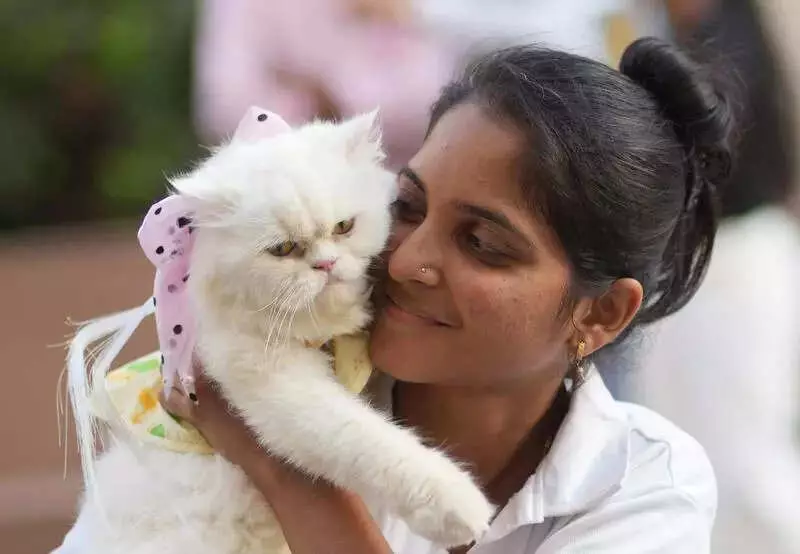
The corporation has recorded detailed information about these feline registrations. Out of the total 4,246 cats registered, specific breed data reveals interesting patterns. Local breeds account for 1,772 registrations, making them the most common category. Persian cats follow with 1,389 registrations, while Bengal cats number 30. The registry also includes five exotic cats, indicating diverse pet preferences among Chennai residents.
Official Perspective on Cat Registration
GCC veterinary officer J Kamal Hussain provided insights into this development. He explained that licensing was technically available for cats alongside dogs from the beginning. However, authorities did not actively promote this option. Hussain noted that many responsible pet owners discovered the possibility through the dog licensing campaign and voluntarily registered their cats.

"The actual number of pet cats in Chennai could be significantly higher," Hussain emphasized. "We must vaccinate cats because they can also carry rabies." He clarified that while pet cats generally cause less public disturbance than dogs, they still pose health risks through potential bites or scratches that could transmit viruses.
Enforcement and Awareness Plans
The corporation plans to intensify efforts around cat registration. Hussain revealed plans for a door-to-door awareness campaign specifically focused on cat licensing requirements. The civic body will enforce penalties for non-compliance, with fines set at 5,000 rupees for unlicensed cats. This approach mirrors the enforcement strategy already in place for dogs.
The Lucrative Pet Cat Market
Behind these registrations lies a substantial commercial pet trade. The unregulated cat market in Chennai involves transactions worth several crores of rupees. Pallavaram and Broadway markets serve as major hubs for this trade. Price variations reflect breed quality and desirability.
Persian cats command prices ranging from 20,000 to 1 lakh rupees depending on breed quality. Bengal cats, distinguished by their miniature leopard appearance, can cost up to 1.65 lakh rupees. These figures demonstrate the economic scale of Chennai's pet cat industry.
Animal Welfare Perspectives
Arun Prasanna from the NGO People for Cattle in India offered additional context. He highlighted how microchipping registered cats could address abandonment issues. "Persian cats often symbolize prestige, but some owners abandon them due to high maintenance costs," Prasanna explained. "Microchips would help trace abandoned cats back to their original owners."
Prasanna also noted behavioral differences between cats and dogs that affect disease transmission. "Cats tend to scratch frequently, making mandatory vaccination particularly important for preventing disease spread," he added. This observation supports the corporation's emphasis on vaccination alongside registration.
The cat registration numbers emerging from Chennai's pet licensing drive reveal multiple dimensions of urban pet ownership. They uncover commercial markets, highlight public health considerations, and demonstrate how one regulatory initiative can illuminate previously undocumented aspects of city life. As awareness grows, these registrations may increase further, providing more complete data about Chennai's pet population.