

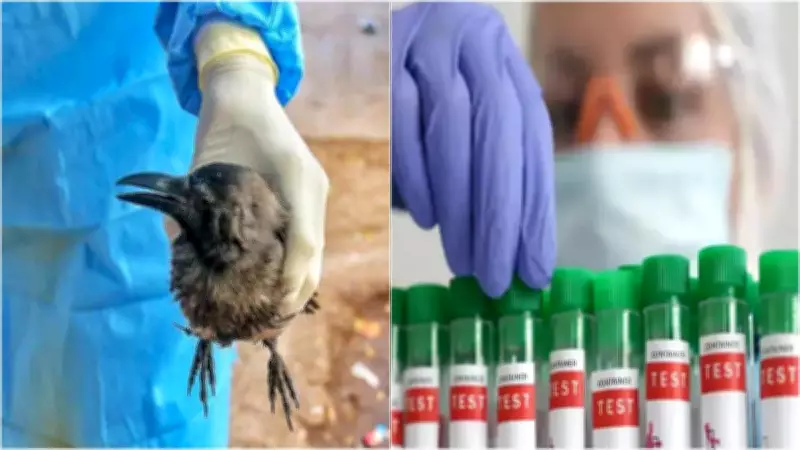
Hundreds of Crows Found Dead in Chennai Amid H5N1 Outbreak, Govt Issues Advisory
In a concerning development, hundreds of crows have been found dead across various locations in Chennai, Tamil Nadu, amid a confirmed outbreak of the H5N1 avian influenza virus. The Tamil Nadu government has swiftly responded by issuing a public health advisory to residents, urging heightened caution and preventive measures to curb the spread of the disease.
Details of the Outbreak and Government Response
The dead crows were discovered in multiple neighborhoods throughout Chennai, sparking alarm among local communities and health authorities. Laboratory tests have confirmed the presence of the H5N1 strain, a highly pathogenic form of avian influenza known to pose risks to both birds and humans. In response, the state government has activated emergency protocols, including surveillance teams to monitor the situation and disposal units to safely handle the carcasses.
The advisory issued by the government emphasizes several key points:

- Avoid direct contact with dead or sick birds, including crows and other avian species.
- Report any sightings of deceased birds to local municipal authorities or health departments immediately.
- Practice good hygiene, such as frequent handwashing, especially after handling poultry or visiting areas with bird populations.
- Ensure proper cooking of poultry products to eliminate any potential virus transmission.
Public Health Implications and Precautionary Measures
While H5N1 primarily affects birds, it can occasionally infect humans, leading to severe respiratory illnesses and, in rare cases, fatalities. The outbreak in Chennai has raised concerns about potential zoonotic transmission, prompting health officials to ramp up awareness campaigns. Residents are advised to stay informed through official channels and avoid spreading unverified information that could cause panic.
Experts highlight that timely intervention is crucial to prevent the virus from spreading further. The government's advisory aims to mitigate risks by promoting community vigilance and coordinated action between health, veterinary, and civic bodies.
This incident underscores the importance of robust disease surveillance systems in urban areas, particularly in regions with dense bird populations. Authorities are monitoring the situation closely and have assured the public that all necessary steps are being taken to contain the outbreak and protect public health.






