The Deceptive Danger of Cantaloupe: A Food Safety Crisis in Plain Sight
There's something almost deceptive about cantaloupe. It appears pristine and wholesome, with a fragrance that evokes summer memories. Consumers casually select these melons in grocery store produce sections or grab convenient pre-cut trays without a second thought. Yet this seemingly innocent fruit carries a disturbing food safety history that has quietly caused serious illnesses for decades, a reality most shoppers completely overlook.
The Problematic Rind Nobody Discusses
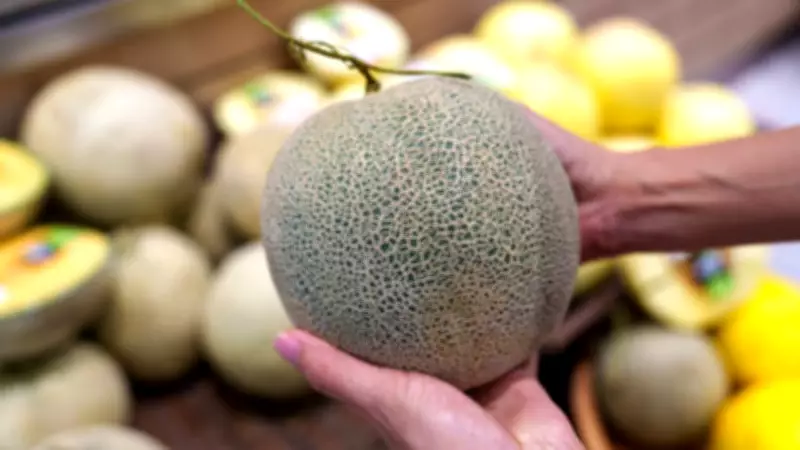
Cantaloupes present unique challenges that deeply concern food safety experts. These "netted" melons feature rough, textured rinds with countless grooves and crevices that create ideal hiding places for harmful bacteria. That rustic, natural-looking surface essentially functions as a bacterial sanctuary where pathogens can evade removal during washing.
Salmonella bacteria, commonly found in animal intestines, can contaminate cantaloupe through multiple pathways. Tainted irrigation water, contact with animal waste in fields, or improper handling during cleaning and cooling processes all represent potential contamination sources. The Food and Drug Administration notes that inadequate hygiene practices, pest infestations in packing facilities, and improperly sanitized equipment further compound these risks.

Once bacteria establish themselves within the rind's intricate texture, they don't remain dormant. The nubby surface actually provides nutrients that support Salmonella growth. When cantaloupe becomes damaged or develops mold, bacteria can migrate from the exterior rind into inner layers or directly into the edible flesh. The slicing process—whether occurring in home kitchens, grocery stores, or processing plants—creates additional contamination opportunities as knives transfer bacteria from the rind to cut surfaces.
Recent Outbreaks Highlight Systemic Problems
The 2023 Salmonella outbreak demonstrated cantaloupe's potential for widespread harm. Federal agencies including the FDA and CDC, alongside Canadian and state partners, investigated a major contamination event linked to recalled cantaloupe products. Laboratory testing identified Salmonella Sundsvall in samples, with genetic sequencing confirming matches to strains found in infected individuals.
By the outbreak's conclusion, the CDC documented 407 illnesses across 44 U.S. states, including six fatalities. Contamination spread beyond whole melons to pre-cut fruit mixes sold at major retailers including Kroger, Trader Joe's, ALDI, and Sprouts—establishments consumers typically trust for food safety.
The problem persisted into 2024 when Eagle Produce LLC of Scottsdale, Arizona recalled 224 cases of whole cantaloupes after Michigan state testing detected Salmonella. These incidents underscore fundamental challenges in cantaloupe safety assurance, particularly regarding the fruit's complex global supply chain.
Modern produce distribution involves fragmented networks sourcing from thousands of farmers worldwide, creating inherent difficulties in preventing all foodborne pathogens from entering the supply system. Public health officials estimate Salmonella causes approximately 1.35 million illnesses, 26,500 hospitalizations, and 420 deaths annually in the United States, with cantaloupe consistently ranking among top produce vehicles for this dangerous bacteria.
Practical Protection Measures
Neither the CDC nor FDA recommends eliminating cantaloupe from diets, but both agencies emphasize specific handling protocols to reduce risks. The CDC outlines four essential food safety steps:
- Frequently wash hands, utensils, and preparation surfaces
- Separate cantaloupe from raw meat and poultry products
- Refrigerate cut fruit within two hours (or one hour in temperatures above 90°F)
- Scrub whole melons thoroughly with a produce brush under cool running water
Food safety researchers highlight the importance of completely drying washed melons before cutting, since bacteria transfer more easily across wet surfaces. Perhaps most crucially, consumers must actively monitor recall announcements through the FDA's searchable database and subscribe to agency food safety alerts.

This vigilance proved particularly important during the 2023 outbreak, when contaminated frozen cantaloupe products remained in homes long after initial warnings because consumers lacked awareness of ongoing risks. While implementing these precautions requires modest effort, they represent essential defenses against a fruit whose deceptive appearance belies significant food safety challenges.