Cambridge Professor Sounds Alarm on Superbug Crisis and Antibiotic Misuse in India
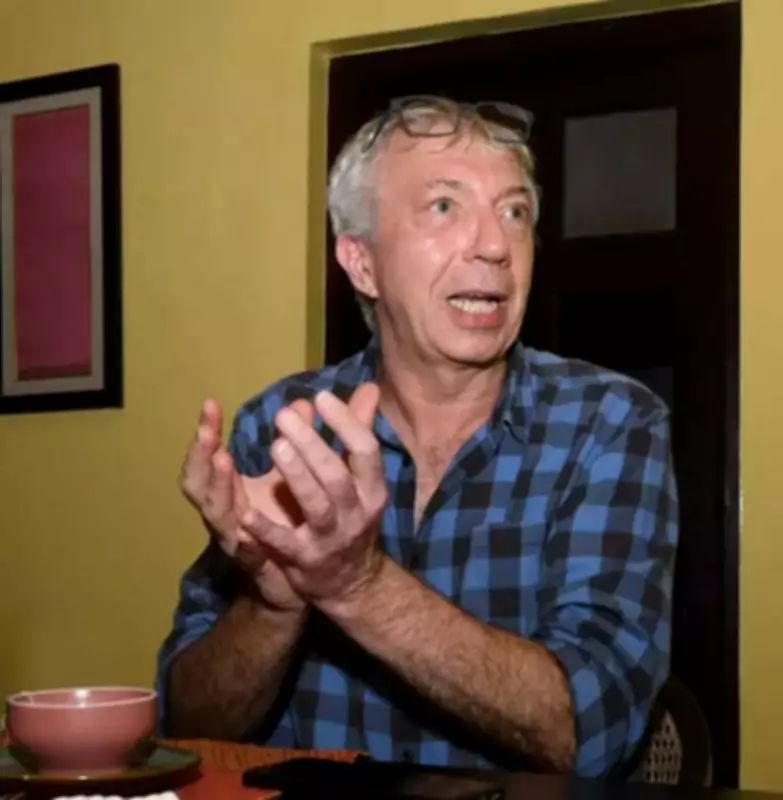
In an extensive and candid interview during his project work in Mysuru, Professor Martin Welch, a distinguished expert in microbial physiology and metabolism at the University of Cambridge, addressed critical issues ranging from the escalating threat of superbug bacteria to the misuse of antibiotics in India, the safety of genetically modified food, and the importance of fostering collaborations with state universities.
The Immediate Threat of Superbugs and Antibiotic Misuse
Professor Welch, who is also a visiting professor at the University of Mysore's department of microbiology, emphasized that superbug bacteria pose an immediate and serious threat both in India and globally. He pointed out that one of the most significant problems contributing to this crisis is the unregulated access to antibiotics. In India, it is alarmingly easy to walk into a pharmacy and purchase almost any antibiotic without a prescription, a practice that has dire consequences.
"Antibiotics are not one-size-fits-all medicines," Professor Welch explained. "They must be matched precisely to the infection and the bacterial species causing it. When people self-medicate with the wrong antibiotic, they not only waste money but also create selective pressure. The bacteria exposed to that drug may survive and develop resistance, and once resistance emerges, it spreads rapidly."

He highlighted that there are approximately 160 antibiotics available to clinicians worldwide, yet we are increasingly encountering superbugs resistant to nearly all of them. A striking example is Pseudomonas aeruginosa, recognized by the World Health Organization as a priority pathogen, which thrives in human environments and rapidly acquires resistance. India and parts of Southeast Asia are considered hotspots for antimicrobial resistance, largely due to unregulated antibiotic access and environmental contamination.
"The solution is straightforward but requires strong will," Professor Welch asserted. "We must restrict antibiotic sales to prescription-only use under qualified medical supervision."
Antibiotics in the Food Chain and Environmental Pollution
Professor Welch also addressed the concerning issue of antibiotics entering the food chain through multiple routes. While antibiotics are sometimes directly added in agricultural contexts, a more alarming pathway is pharmaceutical manufacturing waste. If rivers carry these residues downstream to irrigate crops and feed livestock, it is unsurprising that antibiotic traces enter the food chain, fueling resistance evolution.
"Regulation of industrial waste disposal is therefore essential," he stressed, linking environmental pollution directly to antimicrobial resistance. Plastic waste and contaminated waterways create environments where microbes evolve new metabolic pathways, some of which overlap with mechanisms used to degrade antibiotics, contributing to resistance. Reducing waste, cleaning rivers, and instilling civic pride in public spaces can have measurable long-term health benefits.
Research on Cystic Fibrosis and Resistant Infections
Connecting his research to practical health concerns, Professor Welch focuses on respiratory infections, particularly in patients with cystic fibrosis. This genetic disease predisposes individuals to chronic airway infections. In India, cystic fibrosis was long considered rare, but it is now clear that it was underdiagnosed due to genetic variation and poor recognition of the condition among newborns.
"The most common mutation causing cystic fibrosis in Caucasian populations differs from the most common mutation in Indian populations," he noted. "If you look for the wrong mutation, you will not find the disease."
Genetically Modified Food and Food Hygiene Standards
Addressing fears around genetically modified (GM) food, Professor Welch argued that there is nothing inherently wrong with genetic modification. Humans have modified crops for 8,000 years through selective breeding, and genetic engineering simply accelerates that process with greater precision.

"The fear surrounding GM food is largely psychological," he said. "Terms like 'Frankenstein food' create anxiety. If properly tested and regulated, GM crops can increase yields, improve drought tolerance, and reduce crop losses. For a growing population like India's, food security is critical."
He contrasted this with organic food, which is often perceived as healthier due to richer taste from slower growth but is more expensive and not necessarily cleaner. Regardless of the source, he emphasized that vegetables should always be washed thoroughly.
Comparing food hygiene standards, Professor Welch pointed out that in Europe and the United States, food establishments are regularly inspected, with cleanliness standards monitored and enforced. In India, improvements are visible, with cities like Mysuru developing significantly in recent years, but inconsistencies remain, as some street vendors operate without adequate hygiene standards.
Possibilities for Tie-Ups with Indian State Universities
Professor Welch expressed optimism about collaborations with Indian state universities, stating that they are both possible and necessary. India has an extraordinary pool of human talent and biological resources, but sustained government investment in state universities is critical.
"Collaboration must respect intellectual property protections," he advised. "State universities in India are essential. Not every student can attend premier institutions like the Indian Institute of Science. Regional universities feed into national and global research ecosystems."
He concluded by emphasizing that economic growth depends on educational investment. "If a nation wants to produce skilled graduates who contribute to innovation, funding universities is not optional—it is fundamental," Professor Welch asserted, highlighting the need for evidence-based progress, regulation, and public trust in addressing these global challenges.