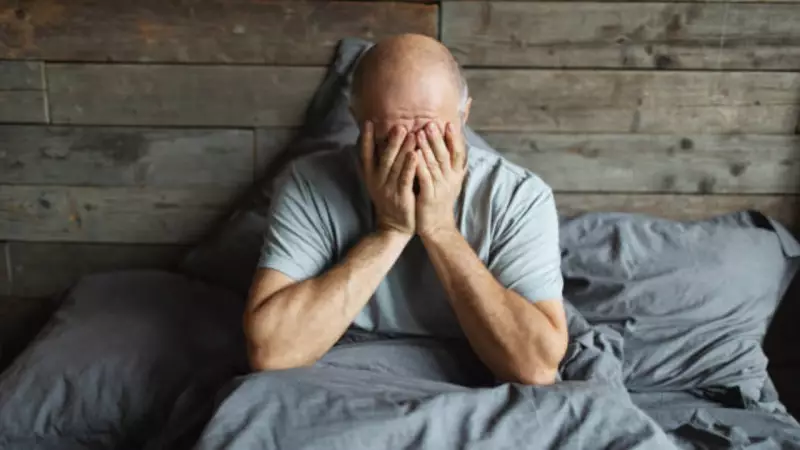
For generations, society has accepted certain narratives about aging as inevitable truths. We've all heard the familiar refrains: "He's old, that's why he can't sleep," "Body pains are normal at this age," or "What can you do, it comes with getting older." This widespread acceptance of discomfort in older individuals has created a dangerous normalization of suffering, masking treatable conditions behind the veil of age.
The Hidden Connection: Back Pain Disrupting Sleep
When an elderly man lies awake night after night, tossing and turning restlessly, the immediate assumption often points toward insomnia or simply "old age." However, medical experts now emphasize that the root cause is frequently neither of these. Instead, it could be something far more fundamental and addressable: chronic pain, particularly back pain. This discomfort doesn't always manifest through dramatic complaints but quietly erodes sleep quality, one stolen night at a time.
Sleep is not a luxury at any stage of life, but its importance amplifies as the body ages. Poor sleep significantly impacts mood regulation, memory consolidation, physical balance, immune function, and overall systemic health. It elevates the risk of dangerous falls, exacerbates chronic medical conditions, and gradually diminishes quality of life. When an older man experiences persistent sleep disruption, it often signals an underlying issue, with pain standing as one of the most prevalent yet most overlooked culprits.

Medical Insights: Why Pain Trumps Insomnia
"When sleep quality deteriorates, the release of melatonin—a hormone essential for restorative sleep—is adversely affected. Erratic melatonin levels disrupt the hypothalamic–pituitary axis, leading to hormonal imbalances, impaired muscle recovery, and declining cardiovascular health," explains Dr. Vinay Kumar Aggarwal, Consultant Orthopedics and Sports Injuries at Kailash Deepak Hospital, New Delhi.
He further clarifies a common misdiagnosis: "Poor sleep in older men is often wrongly attributed to insomnia, when in reality it may begin with back pain caused by age-related decline in muscle tone and early bone degeneration. A key contributor is poor muscle tone, known as hemispherical hypotonia, which commonly develops in elderly men. This condition leads to changes in spinal curvature, particularly increased lumbar lordosis or thoracic kyphosis, resulting in continuous strain on the back muscles."
Research Evidence: Pain Precedes Sleep Issues
Supporting this perspective, Dr. Krishna Subramanyam, Senior Consultant Orthopedic Surgeon at Yashoda Hospitals, Hyderabad, cites compelling research: "Studies on men aged 65 and above demonstrate that those reporting back pain were significantly more likely to develop sleep disturbances years later. These disturbances include poor sleep satisfaction, irregular sleep timing, daytime sleepiness, and reduced sleep efficiency. Crucially, the findings highlight pain as a primary driver of sleep disruption, rather than sleep issues leading to pain."
Dr. Subramanyam emphasizes the directional relationship: "Back pain often precedes sleep problems, while poor sleep at baseline does not predict later back pain. This indicates that untreated musculoskeletal pain gradually interferes with normal sleep patterns as men age."
Recognizing the Subtle Symptoms
Many patients don't describe their experience as sharp, acute pain. Dr. Lalit Modi, Additional Director of Orthopedics & Joint Replacement at CK Birla Hospitals, Jaipur, notes: "Many patients describe symptoms not as sharp pain, but as stiffness, heaviness in the lower back, or an urge to constantly change sleeping positions. These signs are commonly overlooked or dismissed as normal ageing."
He adds an important warning: "Night-time pain, however, can be an early indicator of spinal wear, poor posture, weak core muscles, or long-standing mechanical strain."
This creates a vicious cycle, as explained by experts: "Over time, disturbed sleep lowers pain tolerance and delays tissue recovery, creating a cycle where pain worsens sleep and poor sleep intensifies pain perception."

Breaking the Cycle: Management and Intervention
"Early identification and management of back pain is therefore crucial," stresses Dr. Krishna Subramanyam. "Timely orthopaedic care through physiotherapy, posture correction, strengthening exercises, weight management, and appropriate pain relief can reduce pain severity and improve spinal function. Back pain should be viewed not as a mobility issue, but as a condition with other health consequences."
Dr. Vinay Kumar Aggarwal highlights the role of physical activity: "Regular physical activity plays a critical role in both back health and sleep quality. Unfortunately, exercise is often neglected, particularly in older age. Simple measures such as walking and low-impact, posture-corrective exercises done four to five days a week can improve muscle strength and sleep."
He also outlines medical approaches: "Medications may be used temporarily to manage acute pain, while investigations like X-rays or MRI scans help diagnose conditions such as disc degeneration, lumbar spondylosis, kyphosis, or scoliosis."
Societal Awareness and Emotional Barriers
Why does such a significant health issue receive so little attention? Part of the problem lies in our cultural perception of aging. We have normalized suffering in old age, expecting older bodies to hurt, slow down, and malfunction as if discomfort were the inevitable price of longevity. While conversations flourish around children's health, women's health, and workplace stress, discussions about elderly health often remain confined to emergency situations.
Practical challenges also contribute. Caregiving is exhausting, families are increasingly busy, and caretakers are often stretched thin. When an older person doesn't vocalize complaints loudly, their problems get deprioritized. Sleep issues particularly face dismissal because they don't appear immediately urgent—yet their chronic nature slowly undermines every aspect of health.
Emotional factors create additional barriers. Older individuals frequently fear being perceived as weak, dependent, or burdensome. Consequently, they minimize their pain, claiming they're "fine" when they're not. This underscores why families and caregivers must practice attentive observation. If an older man isn't sleeping well, it warrants genuine attention—not casual comments or quick assumptions, but real curiosity and care. This involves asking thoughtful questions, watching for patterns, and taking complaints of pain seriously.
A Call for Compassionate Reevaluation
Aging should not equate to silent suffering. Our elders deserve rest, comfort, and dignity in their later years. Sometimes, the most compassionate action we can take is to stop repeating, "It's just old age," and instead begin asking, "What's really going on?" By shifting our perspective from acceptance to investigation, we can address treatable conditions like back pain that steal both sleep and quality of life from those who have already given so much.
Medical experts consulted for this article include Dr. Krishna Subramanyam, Dr. Lalit Modi, and Dr. Vinay Kumar Aggarwal, whose insights help explain the critical link between back pain and sleep quality in older men.