Andhra Pradesh Government Launches Groundbreaking Biomarker Testing Initiative in Uddanam Region
In a significant development aimed at addressing the persistent kidney disease crisis in the Uddanam region, the Andhra Pradesh state government has launched a pioneering biomarker-based testing program. This initiative represents the first systematic effort to identify individuals at risk of developing kidney disease at an early, pre-symptomatic stage through advanced laboratory analysis.
Comprehensive Research Program and State-of-the-Art Laboratory
The biomarker testing forms the core of an extensive research program designed to uncover the root causes of kidney diseases that have plagued the Uddanam area of Srikakulam district for years. To support this ambitious project, authorities have established a cutting-edge laboratory at King George Hospital (KGH) in Visakhapatnam.
The newly established facility boasts sophisticated equipment including centrifuges, deep freezers, comprehensive sample storage systems, and advanced analytical instruments. With approximately ₹80 lakh invested in equipment that meets stringent biosafety standards, the laboratory represents a major commitment to scientific investigation of the region's health challenges.

Sample Collection and Innovative Testing Methodology
Medical and health department officials report that a dedicated team is actively collecting blood and urine samples from residents across the affected Uddanam region. To date, approximately 1,500 samples have been gathered for analysis through this systematic approach.
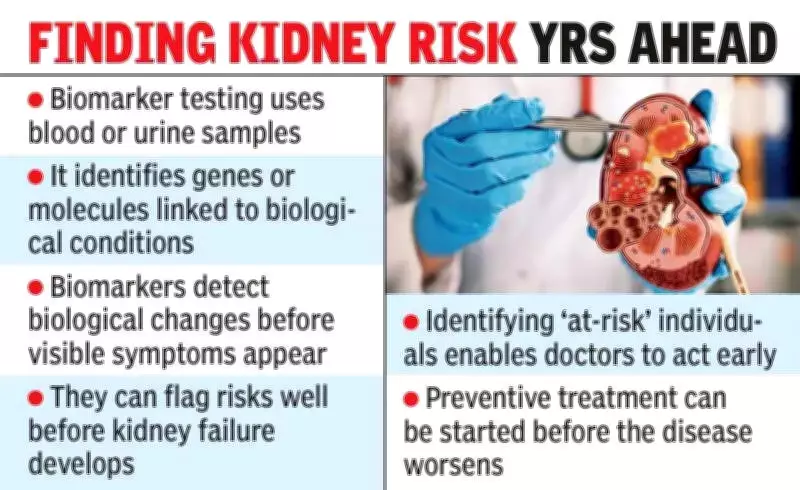
The testing methodology represents a breakthrough in preventive medicine for the region. For the first time, biomarker testing is being conducted using urine samples to assess an individual's likelihood of developing kidney disease over the next three to four years. This innovative approach enables detection at a microscopic level long before visible symptoms or kidney failure manifest, allowing for timely medical intervention and preventive care strategies.
Expert Leadership and Research Framework
The comprehensive research program operates under the mentorship of senior nephrologist Professor Tatapudi Raviraju, with D G Prasad serving as principal investigator. Beyond laboratory analysis, scientists and technical experts are gathering detailed epidemiological data through structured questionnaires administered to residents.
These questionnaires collect crucial information including:
- Family medical history related to kidney conditions
- Environmental exposure factors
- Lifestyle and dietary patterns
- Other potential risk factors contributing to disease prevalence
Substantial Funding and Government Support
The Indian Council of Medical Research (ICMR) has sanctioned ₹6.2 crore for this three-year research project, with approval following active intervention by the state government. Recently, the research team briefed Health Minister Y Satyakumar Yadav on progress achieved thus far.
Based on this update, Minister Yadav directed officials to expedite the study while ensuring that the affected population receives necessary support and reassurance throughout the research process. The minister emphasized the importance of translating scientific findings into tangible health benefits for Uddanam residents.
Unprecedented Scale and Additional Testing Components
Medical experts note that the large-scale biomarker testing being conducted in Uddanam represents an unprecedented approach to understanding regional kidney disease patterns. In addition to biomarker analysis, the research program will incorporate genetic testing through RNP sequencing as part of its comprehensive investigation.
The findings from this multifaceted study are expected to provide clarity on disease patterns and risk factors, ultimately enabling early diagnosis that allows patients to implement preventive measures and access timely treatment. This proactive approach aims to reduce both the severity and progression of kidney diseases throughout the region.

Understanding Biomarker Testing
Biomarker testing, also known as molecular or biological profiling, represents a sophisticated laboratory methodology that analyzes samples such as blood or urine to identify specific genes, proteins, or other molecules indicating disease or biological conditions. Modern biomarkers can detect subtle biological changes occurring well before visible symptoms or kidney failure develop.
Advanced tests now enable prediction of whether an individual faces elevated risk of developing kidney disease within the next one to two years. Identifying such "at-risk" individuals allows medical professionals to initiate preventive treatment early, potentially avoiding the need for dialysis or kidney transplantation in the future.