Andhra Pradesh District Fertility Analysis Shows Significant Regional Variations
Recent district-wise fertility data from Andhra Pradesh has revealed striking regional disparities, with Kadapa district recording the highest fertility rate at 1.99 while Visakhapatnam sits at the bottom with just 1.32. Both figures remain significantly below the crucial population replacement rate of 2.1, indicating a statewide demographic shift toward smaller family structures.
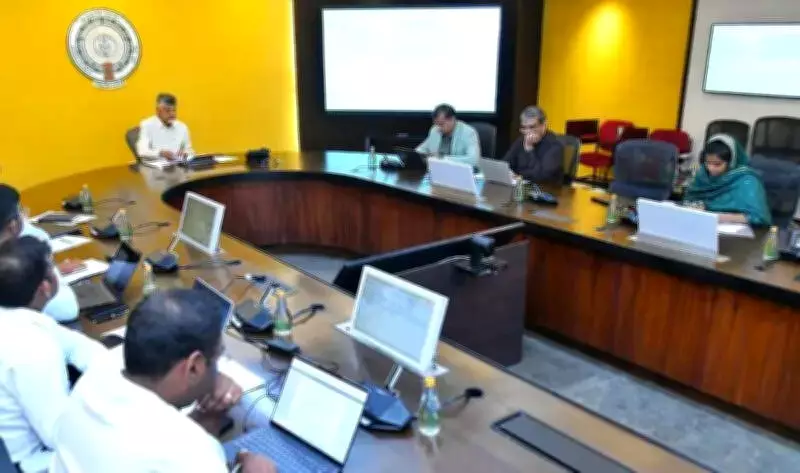
The state's overall average fertility stands at 1.5, according to official statistics presented to Chief Minister Chandrababu Naidu during a comprehensive review meeting on Wednesday. This data has prompted serious discussions about long-term population management strategies and their implications for the state's future human capital development.
CM Naidu's Population Management Vision
Chief Minister Naidu emphasized that the "Talliki Vandanam" initiative represents just one component of a much broader population management approach. He identified rising education costs as a significant factor driving the emergence of micro-family culture across the state, where couples are increasingly opting for smaller family units due to financial pressures.

"We need to develop comprehensive incentive-based plans that actively promote joint family structures and larger family units," Naidu stated during the meeting. He directed officials to launch extensive awareness programs highlighting the critical importance of human capital development for the state's long-term prosperity.
Healthcare Expansion and Sanjeevani Project Review
The Chief Minister conducted a thorough review of the Sanjeevani healthcare project, which has already delivered substantial benefits across the state. The initiative has provided healthcare services to 108,000 individuals, distributed medicines to 280,000 beneficiaries, and conducted medical tests for 19,000 people since its implementation.
Naidu called for rapid expansion of the program with stronger field-level implementation and special targeted drives to combat prevalent health issues like anaemia and diabetes. He emphasized the need for more aggressive outreach to ensure healthcare access reaches all corners of the state.
Medical Infrastructure Development Timeline
In a significant infrastructure push, Naidu instructed officials to begin construction of new medical colleges under Public-Private Partnership (PPP) mode within one month. The first phase will include colleges at Markapuram, Madanapalle, Pulivendula, and Adoni, with immediate commencement planned.
The second phase will see medical institutions established at Amalapuram, Bapatla, Penukonda, Narsipatnam, Palakollu, and Parvathipuram. This ambitious expansion represents one of the largest healthcare infrastructure developments in recent state history.
Comprehensive Health Investment Policy Framework
Naidu directed officials to finalize the Andhra Pradesh State Health Investment Policy 2026-31, which will be built upon seven foundational pillars: medical college expansion, multi-speciality hospital development, medical technology manufacturing growth, healthcare startups and innovation promotion, medical tourism with integrated wellness facilities, healthcare skilling programs, and development of medical cities in both Amaravati and the Visakhapatnam Economic Region.
The Chief Minister also instructed officials to seek support from the Union Ayush Ministry for establishing a naturopathy institution in Amaravati, reflecting his commitment to integrating traditional and modern healthcare approaches.
Nutrition and Preventive Healthcare Emphasis
Naidu placed particular emphasis on balanced nutrition and preventive healthcare measures, warning that poor dietary habits are contributing significantly to rising illness rates across the population. He called for systematic promotion of Ayurveda and naturopathy alongside modern medical approaches.
"We need to implement personalized diet guidance for hospital patients based on their specific medical records," Naidu emphasized. "This integrated approach to healthcare will yield better outcomes and reduce long-term healthcare burdens."

The review meeting was attended by senior officials from multiple departments including medical and health, finance, GSWS, labour, and women and child welfare, indicating the cross-departmental importance of population and healthcare management initiatives.