

The Silent Epidemic: Age-Related Macular Degeneration in India
Age-Related Macular Degeneration (AMD) remains a critically under-discussed health issue in India, posing a significant public health challenge. A primary reason for this neglect is the widespread misconception that vision loss is merely a normal part of ageing. When individuals over 60 report difficulties such as blurred reading vision or a need for brighter lighting, families often dismiss these symptoms rather than seeking professional eye evaluations.
Alarming Statistics and Growing Risks
Data indicates that AMD affects approximately 1–3% of India's total population, but this figure escalates dramatically with age. Studies reveal that roughly 7–10% of people aged 60 and above may have some form of AMD. With India's elderly population expanding rapidly, this translates into millions of individuals at risk. Despite these numbers, awareness of AMD lags far behind that of more commonly known eye conditions like cataract or glaucoma.
Dr. Aditya Kelkar, Director of NIO Super Speciality Hospital in Pune, emphasizes the severity of the situation. "Age-Related Macular Degeneration is becoming a major public health concern in India," he told TOI Health. "AMD involves the centre of the retina, which has a maximum concentration of special cells called cone cells. This central area is crucial for reading, writing, focusing, and central vision."

Traditionally seen in people over 55, AMD impacts about 2% to 4% of the population above 50 years of age, and around 40% of those above 70. With rising life expectancy, urban lifestyles, and environmental stressors, AMD is expected to grow further, making early detection and management imperative.
Why AMD Goes Unnoticed
The low awareness of AMD can be attributed to several factors:
- Slow Progression: Especially in its dry form, AMD advances gradually and lacks a quick fix, reducing public attention.
- Limited Access: In rural areas, restricted availability of retina specialists and low routine screening rates hinder early detection.
- Low Health Literacy: Combined with the fact that early AMD does not cause pain, the condition often slips under the radar.
Consequently, many patients only seek medical help when central vision is already severely compromised. AMD is not rare; it is simply rarely recognized in time.
Causes and Symptoms of AMD
According to Dr. Kelkar, AMD occurs when the macula, the central part of the retina responsible for sharp vision, begins to deteriorate. Key causes include:
- Aging and genetic predisposition
- Smoking and poor diet
- Obesity and hypertension
- Excessive screen exposure and prolonged UV ray exposure
AMD manifests in two types: Dry Degeneration and Wet Degeneration. Dry Degeneration is more common and relatively mild, causing a slight reduction in reading and writing vision, and progresses extremely slowly. In contrast, Wet Degeneration leads to rapid vision loss.
Early symptoms are often subtle and easily overlooked, including:
- Reduced or distorted vision
- Waviness or black spots in central vision
- Difficulty in reading, writing, and recognizing faces
Prevention, Diagnosis, and Treatment
Dr. Kelkar recommends several preventive measures to mitigate AMD risks:
- Regular eye check-ups
- Adopting a healthy diet and making lifestyle changes
- Avoiding smoking
- Managing blood pressure
- Reducing screen time and protecting eyes from UV exposure
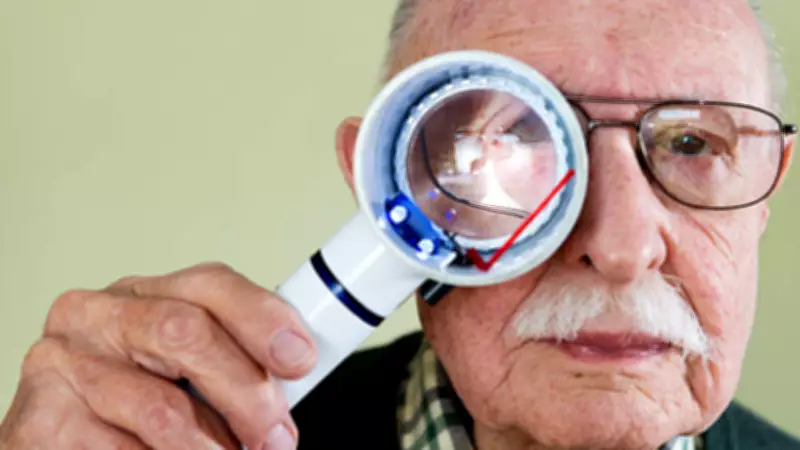
While AMD cannot be fully cured, modern treatments can slow its progression and preserve vision. For Dry Degeneration, doctors may prescribe antioxidants and low vision aids like magnifiers if needed. For Wet Degeneration, Anti-VEGF injections are used to control the condition by stopping the growth of abnormal blood vessels under the retina, thereby reducing leakage and swelling. These injections often require prolonged use, and more than six or seven varieties of drugs are now available in this category.

Diagnostic tools are also advancing. Special home tests, such as the Amsler grid, can be conducted in outpatient departments for monitoring. Optical Coherence Tomography (OCT) is a quick, painless, and non-invasive test critical for diagnosis and management, providing high-resolution retina scans that enable earlier detection.
In summary, addressing AMD in India demands increased awareness, routine screenings, and proactive healthcare measures to protect the vision of millions at risk.





