When people think about blocked arteries, they often imagine dramatic scenes—someone clutching their chest, collapsing, and requiring emergency surgery. However, the reality is far quieter and more insidious. Blocked arteries typically develop gradually, presenting subtle symptoms that are easily dismissed as signs of aging, stress, or everyday fatigue. According to Dr. Sumit Kapadia, a renowned vascular surgeon, these silent blockages can progress for years before leading to life-threatening events such as heart attacks, strokes, or peripheral artery disease (PAD).
Understanding the Underlying Cause: Atherosclerosis
Atherosclerosis is the gradual buildup of fat, cholesterol, calcium, and other substances within the blood vessels, forming plaques that narrow the arteries and restrict blood flow. This process starves organs and muscles of oxygen. Dr. Kapadia emphasizes that many patients arrive with advanced blockages, often regretting that they ignored early signs. He notes, "The body gives us small signals, but we brush them off as tiredness or just age." Recognizing these six red flags can be life-saving.
1. Chest Pain or Tightness During Physical Activity
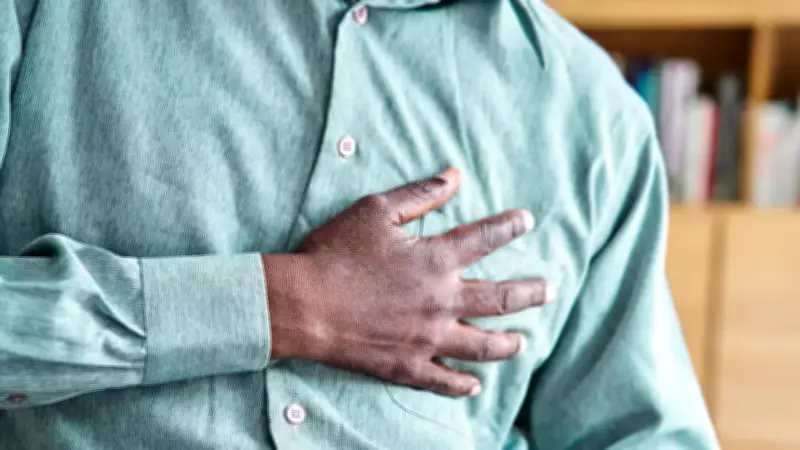
Chest pain or tightness that occurs while walking or climbing stairs is a classic indicator of reduced blood flow to the heart. This sensation, known as angina, may feel like pressure, heaviness, or squeezing in the chest and can radiate to the neck, jaw, shoulders, or arms. If the pain subsides with rest, it warrants immediate medical evaluation.

2. Unexplained Breathlessness or Fatigue
When arteries narrow, the heart must work harder to pump blood, leading to shortness of breath or unusual tiredness after minimal exertion. Tasks like climbing a single flight of stairs may become challenging. Many people attribute this to being out of shape, but it could signal underlying cardiovascular issues.
3. Leg Cramps That Disappear With Rest
Intermittent claudication—cramping, aching, or fatigue in the legs during walking that resolves with rest—is a hallmark of peripheral artery disease. Reduced blood flow to the leg muscles during activity causes pain, which eases when the muscles are at rest. This symptom should not be dismissed as ordinary muscle soreness.
4. Numbness or Weakness in Arms or Legs
Poor circulation can cause numbness, tingling, or weakness in the limbs. Some individuals describe a feeling of "deadness" in their legs or difficulty gripping objects. Sudden onset of these symptoms may indicate a stroke, while persistent issues suggest chronic vascular problems.
5. Non-Healing Wounds on the Feet
Cuts or sores on the feet that fail to heal are a serious sign of advanced PAD. Adequate blood flow is essential for tissue repair; when arteries are blocked, healing slows dramatically. Untreated wounds can become infected, develop gangrene, and may ultimately require amputation. Diabetics are particularly vulnerable.
6. Persistent Coldness or Color Changes in One Limb
If one hand, foot, or leg feels consistently colder or appears pale, bluish, or purple compared to the other, it indicates insufficient blood supply to that area. Dr. Kapadia warns that marked differences in temperature, color, or strength between limbs are critical warning signs.
Why Early Detection Matters
Blocked arteries can progress to 70% narrowing without obvious symptoms. Many individuals only seek medical help after the condition is advanced. Those with diabetes, hypertension, high cholesterol, obesity, a sedentary lifestyle, a smoking habit, or a family history of heart disease are at elevated risk. Age also increases risk, but blockages are not exclusive to older adults.
Fortunately, early detection is possible through simple, non-invasive tests such as Doppler ultrasound, ankle-brachial index, cholesterol screening, angiography, and stress tests. Treatment typically involves lifestyle modifications, medications, exercise therapy, or procedures to restore blood flow. The key takeaway: subtle symptoms do not mean harmless conditions. If something feels off, prompt medical attention can prevent catastrophic outcomes.