

35 Drugs Manufactured in Telangana Flagged as Substandard by National Regulator
In a concerning development for public health, the Central Drugs Standard Control Organisation has identified thirty-five drugs manufactured in Telangana as Not of Standard Quality over the past year. These medicines, which were supplied to multiple states including Himachal Pradesh and Uttarakhand, have raised significant alarms regarding patient safety and the effectiveness of regulatory systems.
Common Medications Affected by Quality Failures
The list of flagged pharmaceuticals includes numerous everyday medications that are routinely prescribed across the country. Among the affected drugs are common painkillers, antacids, antibiotics, anti-inflammatory medicines, and anti-parasitic treatments. These are precisely the types of medications that patients rely on for managing fever, infections, gastric problems, and other common health issues.
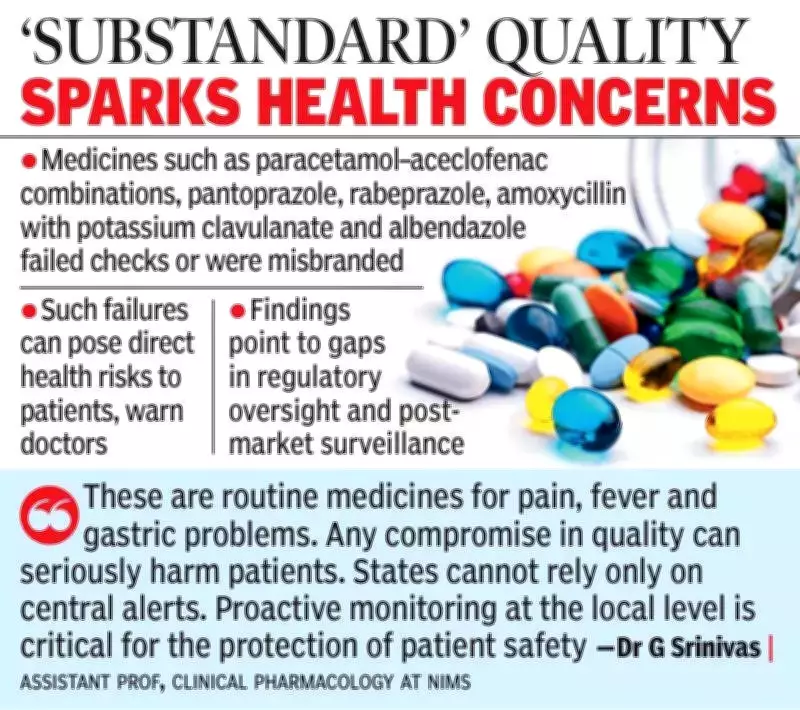
According to official CDSCO data, the quality failures were most pronounced during August of last year, when the highest number of NSQ drugs were recorded. Specific medications that failed to meet prescribed quality standards include paracetamol–aceclofenac combinations, pantoprazole, rabeprazole, amoxycillin with potassium clavulanate, and albendazole. These failures ranged from not meeting established quality parameters to instances of misbranding.

Health Risks and Regulatory Gaps Exposed
Medical experts emphasize that such quality failures can significantly impact drug efficacy and, in more serious cases, pose direct health risks to patients who depend on these medications for treatment. Dr. G Srinivas, assistant professor of clinical pharmacology at Nizam's Institute of Medical Sciences, expressed particular concern about the situation.
"These are routine medicines for pain, fever and gastric problems. Any compromise in quality can seriously harm patients," Dr. Srinivas stated. "States cannot rely only on central alerts. Proactive monitoring at the local level is critical for the protection of patient safety."
Health professionals point to the findings as evidence of significant gaps in regulatory oversight and post-market surveillance systems. They stress that ensuring drug quality represents a shared responsibility between central and state authorities, requiring coordinated efforts to protect public health.
Industry Perspective and Regulatory Response
B Shivshankar Gupta, a member of the Telangana Chemists & Druggists Association, provided insight into the manufacturing challenges behind these quality failures. "Many drugs fail quality checks because manufacturers do not fully comply with CDSCO regulations, making strict enforcement by drug authorities essential," Gupta explained.
He further noted that while NSQ alerts are concerning, they also reflect an active surveillance system at work. "Detection does not always mean widespread harm, but it does highlight the need to strengthen manufacturing practices and compliance. Small and mid-sized manufacturers especially require closer technical guidance and stricter audits to prevent repeated quality lapses," Gupta added.
In response to the findings, regulatory authorities have taken several corrective measures. A Drug Control Administration official confirmed that "All affected batches were recalled, and inspectors conducted field checks at pharmacies and health centres to ensure the drugs were removed from circulation. We also issued show-cause notices to the concerned manufacturers."
Strengthening Systems for Future Protection
Health experts have outlined several critical measures needed to address these systemic issues and prevent similar occurrences in the future:

- Regular and comprehensive inspections of manufacturing facilities
- Increased random batch testing of pharmaceutical products
- Swift corrective action when quality violations are detected
- Improved coordination between central and state drug regulators
- Timely recalls of substandard medications
- Greater transparency in public disclosures about drug quality issues
The situation underscores the ongoing challenges in maintaining pharmaceutical quality standards across India's complex manufacturing and distribution networks. As authorities work to strengthen regulatory frameworks and enforcement mechanisms, the ultimate goal remains ensuring that only safe, effective medications reach patients who depend on them for their health and wellbeing.





