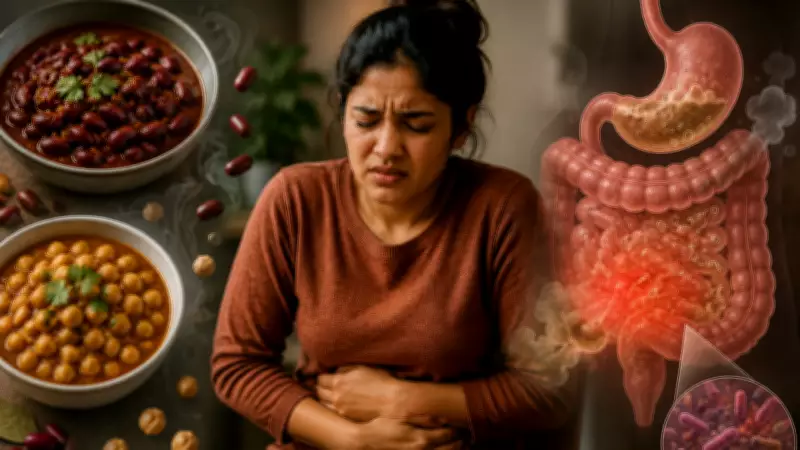
A Sunday afternoon can be truly delightful with a plate of rajma chawal or hot chole bhature. These dishes are rich in protein, fiber, and essential nutrients, making them inherently healthy. Yet, many people experience bloating, heaviness, heartburn, or gas after consuming them. The culprit is not always the food itself. Often, it is the individual's digestive capacity, cooking method, portion size, or eating style that determines whether such foods are comfortable or problematic.
Why Rajma and Chole Feel Heavy for Some People
Legumes like rajma (kidney beans) and chana (chickpeas) contain complex carbohydrates and fiber. While these are beneficial for health, they require more time and digestive effort. If a person's digestive fire (agni) is weak, fermentation in the gut increases, leading to bloating, gas, and abdominal heaviness. Interestingly, many people immediately blame the food while ignoring other factors surrounding the meal.
For instance, eating a large serving of chole bhature in the evening after a sedentary day is quite different from enjoying a modest portion of homemade spicy chole for lunch. Moreover, stress, poor sleep, eating in a hurry, and lack of exercise can further impair digestion over time.

The Cooking Method Makes a Big Difference
Traditional Indian kitchens employed several techniques to aid natural digestion, but many of these practices are fading. Ayurveda emphasizes proper soaking of legumes before cooking. Soaking helps neutralize substances that cause digestive discomfort. Additionally, adding spices like ginger, cumin, asafoetida (hing), black pepper, or ajwain can enhance digestibility. It is ironic that older generations followed these practices routinely without discussing gut health on social media daily.
Another crucial step is pressure-cooking legumes thoroughly. Undercooked rajma can be particularly heavy for some individuals.
Portion Size Is Often the Real Problem
Healthy food is still food, and overeating can overwhelm digestion. Many people consume rajma or chole alongside fried sides, sugary beverages, desserts, and then remain sedentary. The digestive system struggles with the excess load, and symptoms emerge. Ayurveda focuses not only on the quality of food but also on its quantity and compatibility. Some individuals tolerate smaller portions comfortably, while others may need digestive support or dietary adjustments. This variation is completely normal.
Certain Habits Can Increase Discomfort Further
You may notice more digestive issues with rajma or chole if you:
- Eat them very late at night
- Consume them too quickly
- Combine them with excessive fried food
- Drink chilled beverages immediately after meals
- Sit continuously after eating
- Already struggle with acidity or constipation
These patterns can slow digestion and increase heaviness. Another common mistake is suddenly eating very fiber-rich foods after a long period of processed food consumption. Your gut needs gradual adaptation; sudden extremes rarely help.
Can You Say Goodbye to These Foods?
Not necessarily. Ayurveda promotes conscious eating rather than fear-based eating. It is crucial to understand your body's reactions instead of categorizing food as 'good' or 'bad.' If you experience persistent symptoms despite following safety measures, consult a doctor. Eating healthy foods does not guarantee easy digestion for everyone. Rajma and chole may cause discomfort due to poor digestive capacity, excessive quantity, or irregular meal patterns. Digestion depends on both your body's state and the food you eat. Sometimes, your digestive system is not rejecting nutrients but giving you an opportunity to slow down and be more patient.
Dr. Partap Chauhan – World Renowned Ayurvedacharya and Author