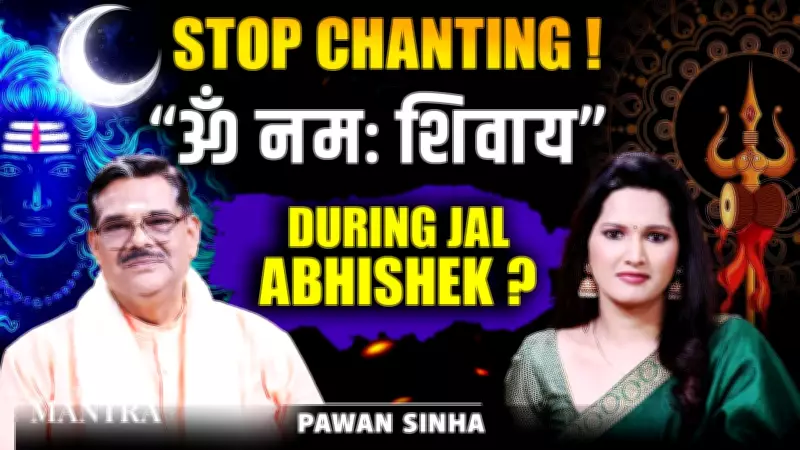
Why You Should Reconsider Chanting Om Namah Shivay During Jal Abhishek
In a revealing discussion, spiritual expert Pawan Sinha has brought to light a common misconception among Shiva devotees regarding the practice of chanting Om Namah Shivay during Jal Abhishek. This ritual, which involves pouring water over a Shiva Lingam, is a sacred act of devotion in Hinduism, but Sinha explains that the timing and method of chanting can significantly impact its spiritual efficacy.
The Spiritual Science Behind Jal Abhishek
Jal Abhishek is not merely a physical act; it is deeply rooted in ancient Vedic wisdom that emphasizes the flow of energy and intention. According to Sinha, the ritual is designed to create a specific vibrational environment that facilitates a connection with Lord Shiva. The water used in Abhishek symbolizes purity and the cleansing of the soul, while the chanting of mantras is intended to align the devotee's consciousness with divine frequencies.
However, Sinha points out that chanting Om Namah Shivay during the actual pouring of water may disrupt this energy flow. The mantra, which translates to "I bow to Shiva," is a powerful invocation, but its repetition at the wrong moment can interfere with the ritual's intended purpose of offering and surrender.

Proper Timing and Energy Dynamics
The key insight from Sinha's explanation lies in the timing of the chant. He suggests that devotees should chant Om Namah Shivay before or after the Jal Abhishek, rather than during it. This allows the mind to focus fully on the act of offering without distraction, ensuring that the energy generated is pure and directed appropriately.
During the Abhishek itself, silence or the use of specific, less intrusive mantras is recommended to maintain the ritual's sanctity. Sinha elaborates that the flow of water carries its own vibrational energy, and overlapping it with loud chanting can create dissonance, potentially blocking the devotional connection.
Intention Over Repetition
A central theme in Sinha's revelation is the importance of intention in spiritual practices. He emphasizes that devotion and mindfulness matter more than the mere repetition of mantras. Common mistakes, such as chanting mechanically without understanding the meaning or context, can hinder spiritual growth and lead to a superficial experience of the ritual.
By focusing on the intention behind Jal Abhishek—such as seeking blessings, purification, or gratitude—devotees can deepen their connection with Lord Shiva. Sinha advises that learning the correct procedures from authentic sources, like ancient texts or knowledgeable gurus, is crucial to avoid these pitfalls.
Ancient Wisdom for Modern Devotees
This guidance draws from centuries-old Vedic traditions that detail the nuances of Hindu rituals. Sinha's insights serve as a reminder that spirituality is a science, requiring precision and awareness. For Shiva devotees, incorporating this knowledge can transform their puja from a routine act into a profound spiritual journey.
In summary, while Om Namah Shivay is a revered mantra, its application during Jal Abhishek may not always be correct. Pawan Sinha's explanations encourage a thoughtful approach to devotion, where understanding the spiritual mechanics enhances the ritual's impact. Every Shiva devotee is urged to reflect on these aspects before their next puja to foster a more meaningful and connected experience.