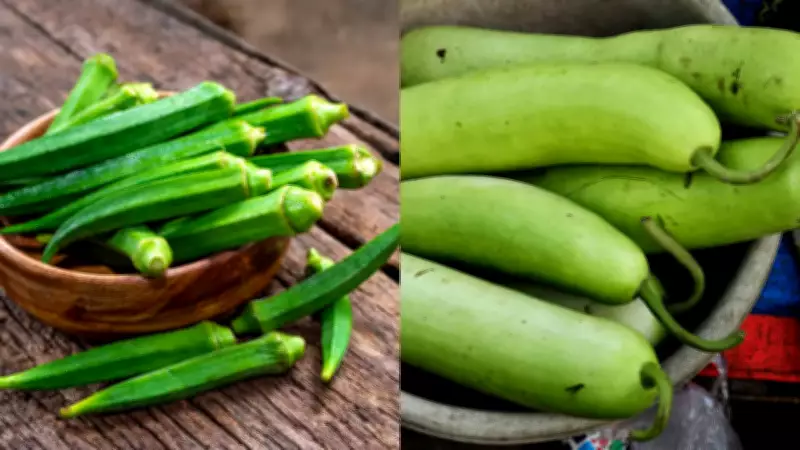
Understanding the Practices of Indian Kitchens
When it comes to Indian kitchen habits, many have been passed down through generations without much thought. One such common practice unites nearly every household: cutting off the crown or top portion of vegetables before cooking. Whether it is bhindi (okra), baigan (eggplant), or lauki (bottle gourd), these hard stem ends are usually discarded without a second thought. But have you ever wondered why these crowns are not eaten? The reason is simple and practical, lying in the texture, taste, hygiene, and digestibility of the vegetable. According to experts, some vegetable crowns are technically edible, but most are removed because they are tough, fibrous, bitter, or difficult to cook properly. Additionally, many crowns may trap pesticides, dust, or mud, making them less hygienic if not cleaned thoroughly. Below, we explore seven common vegetables whose crowns are almost always cut away before cooking.
Bhindi (Okra)
Also known as okra, bhindi is prized for its soft texture and ability to absorb spices. However, its crown is woody and hard, making it unpleasant to chew even after cooking, potentially spoiling the overall dining experience. Moreover, the crown often collects dirt during farming and transportation due to its shape, so removing it also improves the vegetable's cleanliness.
Lauki (Bottle Gourd)
Also known as bottle gourd, the thick stem attached to lauki is generally discarded before cooking. This fibrous part of the vegetable lacks the tender quality that makes bottle gourd easy to digest. It is also said that the stem carries a slightly bitter taste, especially in mature gourds, and hence it is discarded.

Baigan (Eggplant or Brinjal)
Also known as eggplant or brinjal, the green leafy cap and stem of this vegetable are not eaten because they remain chewy and hard even after long cooking times. While the vegetable turns silky and smoky when roasted, the crown stays hard and is therefore discarded.
Shimla Mirch (Capsicum)
Also known as capsicum, the crown of this vegetable is usually removed before cooking. Although not harmful, this section is tougher than the rest of the vegetable and often tastes slightly bitter, leading to its removal. Additionally, removing it helps with uniform chopping for the vegetable.
Tori (Ridge Gourd)
Also called ridge gourd, the top and bottom of this summer vegetable are removed as they contain dense fibers that do not soften well while cooking. They are also difficult to digest.
Karela (Bitter Gourd)
Also known as bitter gourd, karela has a naturally bitter taste, and its crown is considered even more intense and fibrous. Most people cut off both ends before slicing the vegetable to reduce bitterness slightly and improve texture.
Parwal (Pointed Gourd)
Also known as pointed gourd, parwal is treated similarly because the ends of this vegetable are dry, pointed, and stringy. They do not absorb spices and can feel rough while eating.