

Tripartite Pact Boosts Medicinal Plant Farming in Himachal's Border Villages
A significant tripartite memorandum of understanding was signed on Monday to promote large-scale cultivation of medicinal and aromatic plants in selected border and remote villages of Himachal Pradesh.
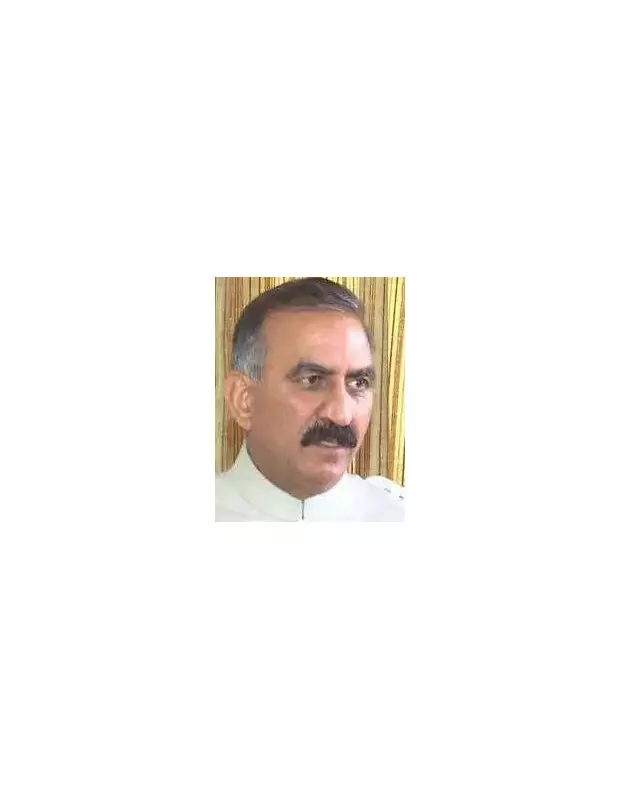
Chief Minister Sukhvinder Singh Sukhu witnessed the signing ceremony. He emphasized the collaboration's dual benefits. It will revive traditional Ayurvedic practices. It will also generate sustainable livelihoods for villagers in these challenging border areas.
Key Signatories and Their Roles
The agreement brought together three major entities. Colonel TSK Singh signed on behalf of the Indian Army. Director of Ayush, Rohit Jamwal, represented the Himachal Pradesh government. Shailesh Sharma signed for Shree Baidyanath Ayurved from Jhansi.

Each partner has a clear and defined role under this new framework.
- The Ayush Department will provide crucial technical guidance and training. They will teach farmers the best practices for cultivating medicinal plants.
- Shree Baidyanath Ayurved commits to assured procurement of the harvest. They will buy the plants at fixed, predetermined prices. The firm will also supply high-quality seeds and saplings to the farmers.
- The Indian Army will actively conduct training and technical sessions. Their involvement aims to directly empower the farmers in these remote locations.
A Strategic Move for Rural Development and Ayurveda
This initiative marks a strategic push for rural development in Himachal's hinterlands. By focusing on border and remote villages, the project targets areas often left behind in mainstream economic activities.
The use of medicinal and aromatic plants ties directly into India's growing Ayurveda sector. It promises to create a reliable, local supply chain for raw materials. This supports the traditional medicine system while providing a new cash crop for farmers.
The fixed-price procurement model removes market uncertainty for villagers. It gives them a guaranteed income from their cultivation efforts. The combined technical support from the Army and the Ayush department ensures farmers are not left to figure things out alone.
This public-private partnership, with the Army's unique reach, could serve as a model for similar development projects in other border states. It leverages each organization's strengths for a common community goal.






