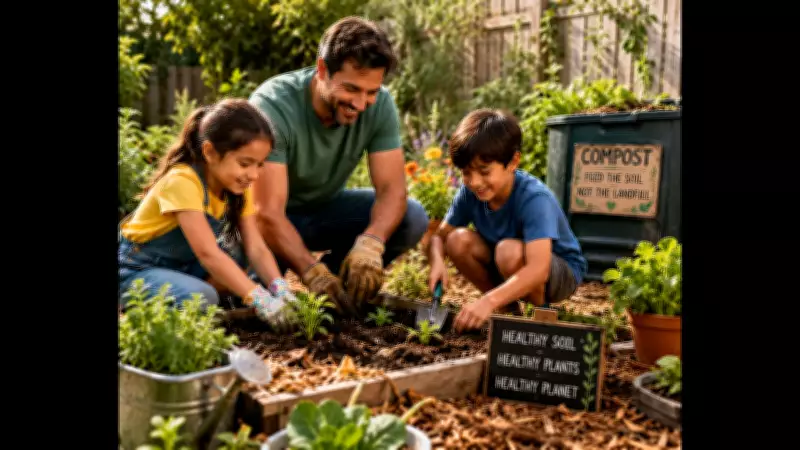
Regenerative gardening is a simple approach to growing food and flowers while improving the health of your backyard or balcony pots. Instead of depleting the soil, this method gives back by focusing on building robust soil, supporting wildlife, and even capturing carbon from the atmosphere to combat climate change. The ultimate goal is to leave your garden better than you found it.
Getting Started Is Easy
You do not need a large yard or expensive tools. Most people begin with small spaces such as balconies, patios, or tiny backyard plots. By following a few basic principles, you can create a thriving garden that requires less water, fewer chemicals, and minimal digging.
Why Soil Health Matters Most
Healthy soil forms the foundation of a good garden. It retains water more effectively, feeds plants naturally, and supports millions of tiny organisms including bacteria, fungi, and earthworms. When soil is healthy, your plants grow stronger and produce more nutritious fruits and vegetables. Traditional gardening often harms soil by digging and turning it over, which breaks its natural structure, kills beneficial microbes, and releases stored carbon into the air. Regenerative gardening avoids these problems and works with nature instead.

Key Practices for Regenerative Gardens
No-Till Soil Management
Skip the shovel and hoe. Digging destroys the underground networks that plants rely on. Instead, add compost and organic matter directly on top of the soil. Over time, earthworms and microbes will mix it in naturally. This keeps carbon locked in the ground and protects the soil's delicate structure.
Keep the Soil Covered
Bare soil is vulnerable. It dries out quickly, washes away in rain, and encourages weed growth. Always protect it with a layer of armor. Use materials like straw, fallen leaves, grass clippings, or wood chips as mulch. A good mulch layer holds moisture, cools the soil in summer, and slowly breaks down to feed the earth.
Make Your Own Compost
Composting turns kitchen waste into black gold for your garden. Save vegetable peels, fruit scraps, coffee grounds, and eggshells. Mix them with dry leaves or shredded paper in a bin or pile. Turn it occasionally and let nature do the work. In a few months, you will have rich compost that adds nutrients and life to your soil. Avoid meat, dairy, and oily foods to keep pests away.
Boost Biodiversity
Plant a mix of different species. Include native flowers, herbs, vegetables, and perennials that come back year after year. Diverse plants attract bees, butterflies, ladybugs, and other helpful insects. These natural helpers pollinate flowers and control pests, so you need fewer sprays. Cover crops like clover or beans can protect soil during off-seasons while adding nitrogen.
Rotate Your Crops
Do not plant the same vegetables in the same spot every year. Moving plants around prevents pests and diseases from building up. It also stops the soil from losing the same nutrients season after season. A simple three- or four-year rotation plan works well for most home gardens.
Getting Started in Your Own Space
Start small so you do not feel overwhelmed. Even one or two raised beds or containers can show great results in the first season.
Begin with Composting
Set up a simple compost bin in a corner of your yard or on a balcony. Many people use a plastic storage bin with holes drilled for airflow. Add equal parts green (wet kitchen scraps) and brown (dry leaves or cardboard). In warm weather, you can have usable compost in two to four months.
Sheet Mulching for New Beds
Want to turn a lawn into a garden without digging? Try sheet mulching. Lay down cardboard or newspaper to smother grass. Cover it with a few inches of compost, then top with thick mulch. Wait a few months and the grass underneath will break down into rich soil. Plant directly into the new bed the following season.
Creative Planters from Recycled Items
Use what you already have. Old buckets, wooden crates, or even tires (with drainage holes) make excellent planters. Ensure water can drain out the bottom to prevent root rot. Paint them or decorate for a cheerful look.

Smart Watering Solutions
Water is precious. Build simple wicking beds using containers with a water reservoir at the bottom. The soil draws moisture upward as needed, so plants stay hydrated even during dry spells. Drip irrigation kits are also affordable and save time.
The Many Benefits You Will See
First, this practice soothes your soul as you contribute to the environment. Additionally, these gardens produce healthier food. Vegetables grown in living soil often taste better and contain more nutrients. You will spend less money on fertilizers and pesticides because the garden takes care of itself more each year. Your yard becomes a small nature reserve. Birds, bees, and butterflies visit regularly. The soil holds more water, reducing runoff and flooding during heavy rains. Working with soil, watching things grow, and harvesting your own food feels deeply rewarding.
Helpful Resources to Guide You
Start with easy-to-read books like The Regenerative Garden by Stephanie Rose. It includes step-by-step projects such as building self-watering planters from common materials. Online communities and local gardening groups can offer advice tailored to your climate. Watch short videos on no-till methods and composting. Visit botanical gardens or regenerative farms near you to see these ideas working on a larger scale.
Regenerative gardening is not about being perfect. It is about making small, steady improvements that add up over time. Start with one or two practices this season, such as composting and mulching. You will quickly see healthier plants, fewer weeds, and more life in your garden. Every patch of healthy soil makes a difference.