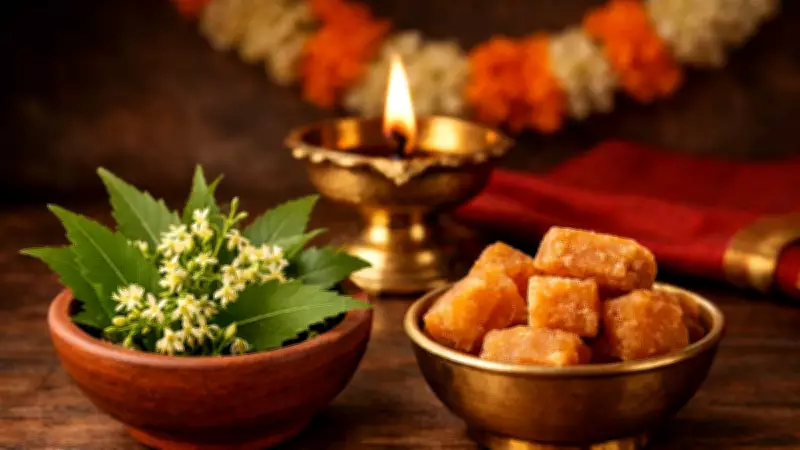
The Ancient Ritual of Neem and Jaggery on Hindu New Year
As Hindu communities across India and beyond prepare to celebrate the New Year, with festivals such as Ugadi marking the beginning of a fresh cycle, a time-honored tradition takes center stage: the consumption of neem and jaggery. This practice, deeply rooted in Ayurvedic wisdom, is not merely a symbolic gesture but a profound health ritual designed to align the body and mind with the energies of renewal. The combination of bitter neem leaves and sweet jaggery represents the acceptance of life's dualities—sweetness and bitterness—while offering tangible wellness advantages that modern science increasingly validates.
Ugadi and the Significance of This Ritual
Ugadi, celebrated primarily in the states of Karnataka, Andhra Pradesh, and Telangana, heralds the start of the Hindu lunar calendar year. On this auspicious day, families gather to partake in the "Ugadi Pachadi," a special dish that incorporates six different tastes, including the bitter neem and sweet jaggery. This culinary tradition symbolizes the belief that life is a blend of various experiences, and by consuming it, individuals embrace the coming year with resilience and balance. The ritual extends beyond Ugadi to other New Year celebrations like Gudi Padwa and Vishu, highlighting its pan-Indian cultural relevance.
Health Benefits of Neem: A Natural Detoxifier
Neem, known scientifically as Azadirachta indica, is revered in Ayurveda for its potent medicinal properties. Its bitter taste is attributed to compounds like nimbin and nimbidin, which contribute to its therapeutic effects. Consuming neem on New Year's Day is believed to initiate a detoxification process, cleansing the body of accumulated toxins from the previous year. Studies suggest that neem possesses anti-inflammatory, antimicrobial, and antioxidant properties, which can help boost immunity, improve skin health, and support digestive function. By incorporating neem into the New Year ritual, practitioners aim to fortify their physical well-being against seasonal ailments and promote overall vitality.

Jaggery: The Sweet Counterbalance with Nutritional Value
Jaggery, a traditional unrefined sugar made from sugarcane or palm sap, serves as the perfect complement to neem's bitterness. Rich in essential minerals such as iron, magnesium, and potassium, jaggery provides a natural energy boost and aids in digestion. Its sweet taste not only makes the neem more palatable but also symbolizes the hope for a prosperous and joyful year ahead. Ayurvedic texts emphasize that jaggery helps balance the body's doshas, particularly when combined with bitter herbs, enhancing metabolic efficiency and preventing blood sugar spikes compared to refined sugars.
Synergistic Effects for Holistic Wellness
The combination of neem and jaggery creates a synergistic effect that amplifies their individual benefits. This pairing is thought to stimulate the digestive system, improve liver function, and enhance respiratory health. As per Ayurvedic principles, the bitter taste of neem pacifies Pitta and Kapha doshas, while the sweet taste of jaggery soothes Vata, promoting a harmonious internal environment. This ritualistic consumption at the start of the year is seen as a proactive measure to maintain health, prevent diseases, and cultivate mental clarity, aligning with the broader theme of renewal and self-care inherent in New Year celebrations.
Modern Relevance and Cultural Continuity
In today's fast-paced world, where lifestyle-related health issues are on the rise, the ancient practice of consuming neem and jaggery gains renewed significance. Nutritionists and wellness experts often highlight its role in promoting gut health, reducing inflammation, and supporting immune function. As families pass down this tradition through generations, it serves as a reminder of the enduring wisdom of Ayurveda and the importance of integrating natural remedies into daily life. The ritual not only strengthens cultural bonds but also encourages a mindful approach to health, making it a valuable custom for contemporary times.
As Hindu New Year festivities approach, embracing this time-tested ritual can offer a holistic start to the year, blending cultural heritage with practical wellness benefits.