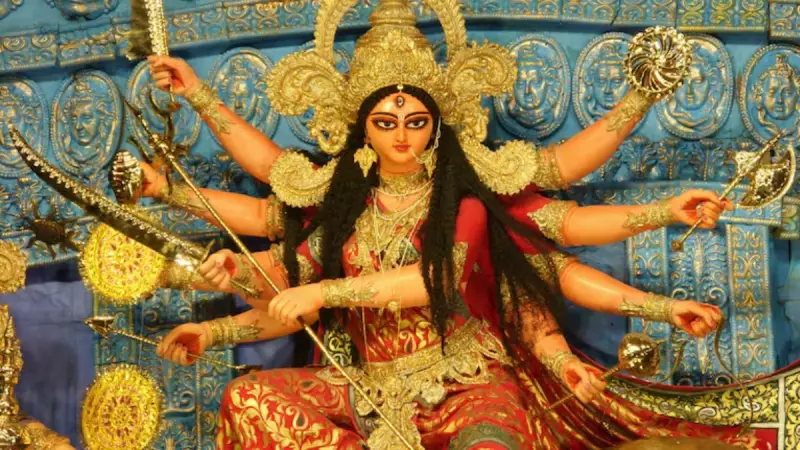
While the Chaitra and Sharadiya Navratri festivals are widely celebrated across India, a more secretive and potent observance known as Gupt Navratri holds immense significance for tantric sadhana and spiritual seekers. The year 2026 will witness this hidden festival during the Magh month, and devotees are already seeking details about its precise dates and rituals.
Gupt Navratri 2026: Key Dates and Ghatasthapana Muhurat
The Gupt Navratri in 2026 will begin on Friday, January 30, 2026. This marks the first day of the nine-night festival dedicated to the fierce and powerful forms of Goddess Durga. The festival will culminate on Saturday, February 7, 2026.
The most critical ritual, Ghatasthapana or Kalash Sthapana, which signifies the invocation of the divine mother's energy, must be performed within a specific auspicious window. According to the Panchang, the Ghatasthapana Muhurat for Gupt Navratri 2026 falls between 06:39 AM and 10:15 AM on January 30. This period, known as the Abhijit Muhurat, is considered highly potent for initiating such spiritual endeavors. It is crucial to note that Ghatasthapana should never be performed during Amavasya or night time.

The Significance and Puja Vidhi of Magh Gupt Navratri
Gupt Navratri, translating to 'Secret Navratri,' is primarily observed by tantriks and devotees seeking to master occult sciences, attain siddhis (spiritual powers), and overcome formidable enemies or obstacles. The worship during this period is centered on the ten Mahavidyas and other fierce manifestations of the Goddess, such as Maa Kali, Maa Tara, and Maa Tripura Sundari.
The puja vidhi for Gupt Navratri is intricate and requires strict adherence to discipline. Here is a general guideline for devotees:
Ghatasthapana Process: On the first day, cleanse the puja area and place a clean red cloth on a wooden stool. Fill a clay or copper pot (Kalash) with Ganga Jal or clean water. Place mango leaves and a coconut on top. This Kalash represents the presence of the Goddess and the universe. An idol or picture of the chosen deity is placed nearby.
Daily Rituals: Each day of the Navratri is dedicated to a specific form of the Goddess. Devotees should follow a strict routine:
- Wake up early, take a bath, and wear clean (preferably red or orange) clothes.
- Perform the Kalash puja with offerings of flowers, incense, and lamps.
- Chant the specific mantras and recite texts like the Devi Kavach or Durga Saptashati with deep concentration.
- Maintain a sattvic diet, often involving fasting or eating only one meal a day.
- Meditate on the form and qualities of the Goddess to internalize her energy.
Spiritual Goals and Observance Guidelines
The primary aim of observing Gupt Navratri is spiritual upliftment through the worship of the Goddess's transformative and protective energies. It is a time for intense meditation, mantra japa, and tantric practices that are not typically performed during the more common Navratris. Due to the powerful nature of these rituals, they are often conducted in private or under the guidance of a knowledgeable guru.
Devotees believe that sincere observance can lead to the removal of deep-seated fears, liberation from negative influences, and the awakening of latent spiritual power. It is a period for confronting inner shadows and invoking the Goddess's grace for protection and wisdom beyond the material realm.
As the dates for Magh Gupt Navratri 2026 are now known, spiritual practitioners are preparing to observe this profound festival with the requisite devotion and discipline, seeking the blessings of the Divine Mother in her most potent and mysterious forms.