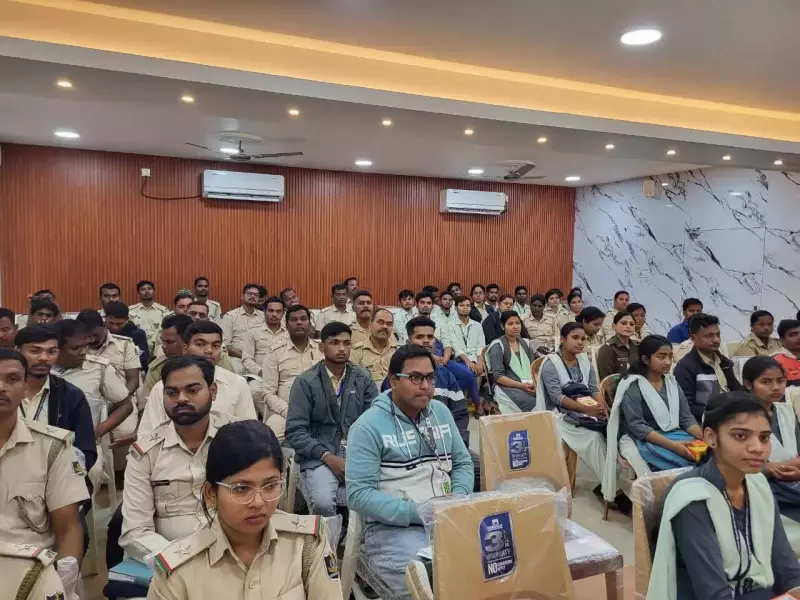
Around one hundred people gathered in Berhampur on Monday for an important training session. College students and forest personnel learned how to identify water fowls. This preparation is for the annual water bird census scheduled for January 18.
Expanding the Census Area
The census will cover thirty-eight water bodies across the Ghumusar North forest division in Ganjam district. Last year, officials conducted the count in thirty-one water bodies. They recorded seven thousand one hundred fifty-three birds representing seventy-one different species.
"This year we have added seven more water bodies," said Himansu Sekhar Mohanty. He serves as the divisional forest officer for Ghumusar North. "A large number of water fowls congregate in these areas."

Key Water Bodies and Training Details
Major reservoirs in the division include Bhanjanagar and Daha. These sites attract several winged guests every year. The pre-census training took place at Bhanjanagar. Students from four nearby colleges participated actively.
Umakant Biswal, a trainer from Bhubaneswar, led the training session. He taught participants how to recognize different bird species. Teams will receive census formats, field guides, binoculars, and cameras for the actual count.
Involving the Youth in Conservation
"We have involved college students in the bird census activities," Mohanty explained. The goal is to create awareness about bird protection. Officials also want to understand migrating patterns better through this citizen science effort.
Similar training sessions will occur in two other forest divisions. Staff and volunteers in Berhampur and Ghumusar South will receive the same preparation. This coordinated approach ensures comprehensive coverage across the region.
The annual census provides valuable data about local avian populations. It helps track changes in bird numbers and species diversity over time. Community involvement makes the process more effective and educational for everyone involved.