

Bihar Agricultural University's Herbal Gulal Gains Popularity for Holi Celebrations
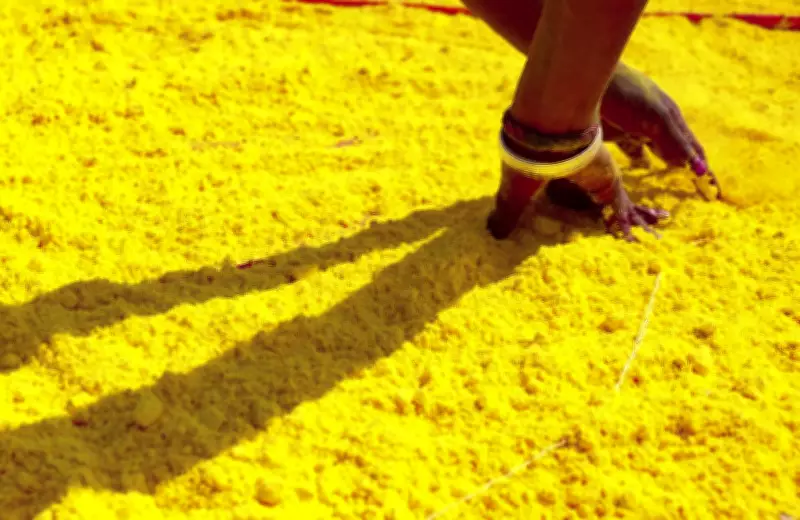
In Bhagalpur, the demand for herbal gulal developed by Bihar Agricultural University (BAU) has increased dramatically as Holi approaches. This surge is driven by the product's eco-friendly, organic, and skin-safe characteristics, offering a natural alternative to synthetic colors that often contain harmful chemicals.
Eco-Friendly Production and Community Empowerment
BAU has pioneered this herbal gulal as part of a sustainable initiative. The production process utilizes ingredients sourced from local flora, including flower extracts from temple offerings, herbs, beetroot juice, spinach extracts, and corn starch. No synthetic or toxic chemicals are involved, making it suitable for both Holi festivities and puja rituals.
The project, named 'From God to God' under the 'Waste To Wealth' scheme, focuses on converting agricultural and floral waste into valuable products. This approach not only promotes environmental sustainability but also empowers rural women. Through self-help groups (SHGs), women receive training in eco-friendly production techniques, fostering self-employment and skill development as part of broader rural development efforts.

Health and Environmental Benefits
According to BAU Vice-Chancellor Prof Dr DR Singh, the herbal gulal is designed to be non-toxic and skin-friendly, significantly reducing risks associated with synthetic colors such as skin allergies, irritation, rashes, and other health concerns. Its biodegradable nature ensures it is safe for soil and water, aligning with eco-friendly practices.
Additionally, the gulal is easy to wash off without leaving permanent stains, enhancing user convenience. Since its launch in 2025 by Bihar Governor Arif Mohammed Khan at the 'Kisan Mela 2025' organized by BAU Sabour, demand has remained consistently high, reflecting growing consumer preference for natural products.
Sustainable Impact and Future Prospects
The initiative not only addresses environmental and health issues but also contributes to local economies by encouraging the use of agricultural waste. By involving SHGs, BAU is promoting women's empowerment through practical training and economic opportunities. This holistic approach underscores the university's commitment to innovation, sustainability, and community development, setting a precedent for eco-friendly celebrations across the region.






